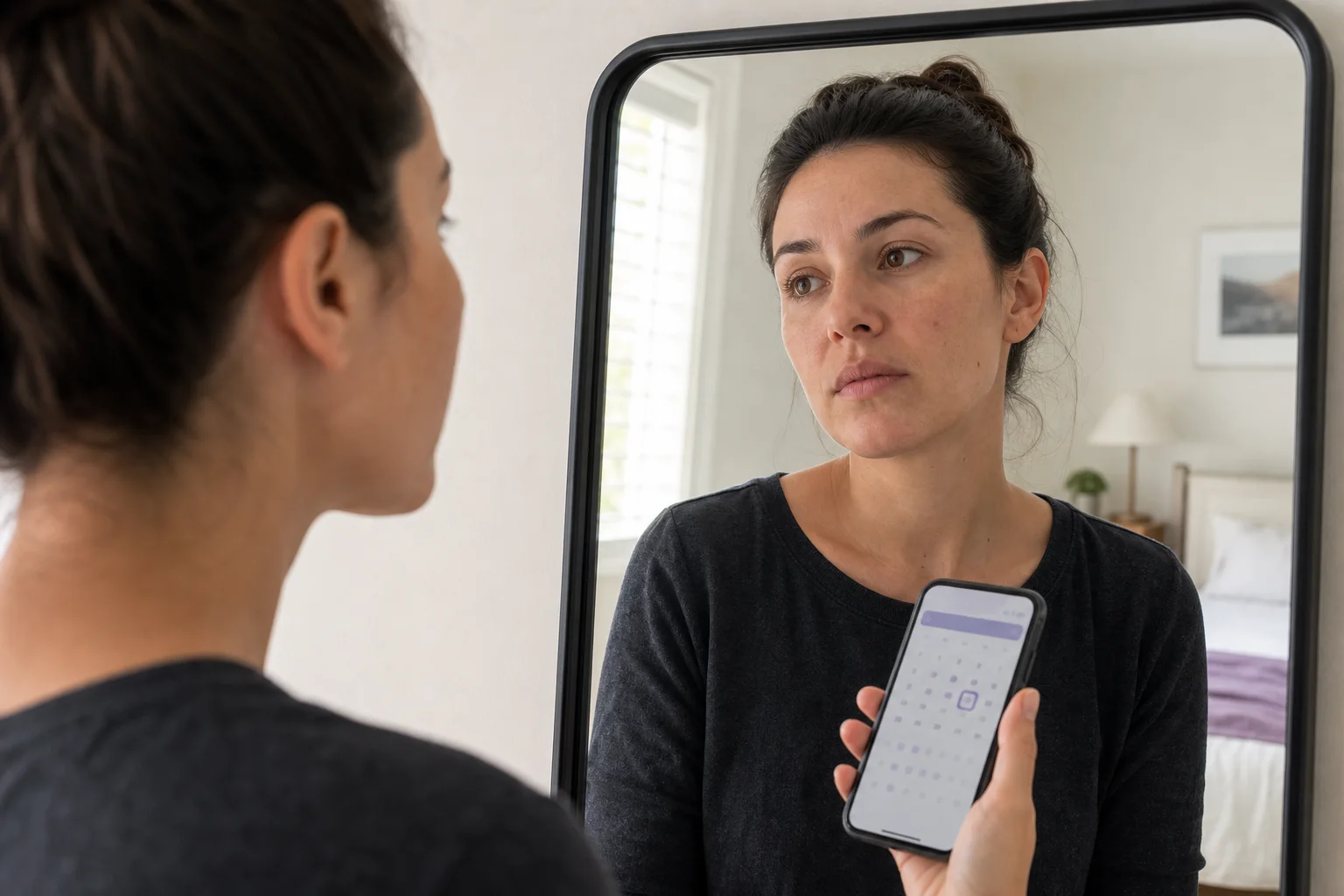
Subcision and microneedling address different parts of an acne-scar treatment plan. That does not mean everyone needs both, or that one must always come first. Before booking either, ask a dermatologist what is causing the particular depressions you want to change.
A useful consultation explains the proposed target, the alternatives and the risks. A package of sessions cannot answer those questions by itself. This guide helps you compare the procedures, discuss combinations and plan for recovery without trying to diagnose your scars at home.
At a Glance
- Subcision: A clinician may release attachments beneath selected depressed scars.
- Microneedling: A clinician creates small punctures to stimulate a healing response; radiofrequency adds heat and has additional risks.
- Sequence: There is no universal sequence or session count for everyone with acne scars.
- Assessment: A mirror, photograph or skin-stretching exercise cannot establish which procedure you need.
- Before booking: Ask for an individual plan, a written quote, aftercare instructions and a contact for complications.
What Each Treatment Is Intended to Do
Subcision
Some depressed scars are attached to tissue beneath them. Subcision is a procedure in which a trained clinician works beneath the skin to release selected attachments. It is different from resurfacing the outer skin. The American Academy of Dermatology describes scar surgery as one of several options that may be combined in an acne-scar plan.
The decision is not simply whether a scar looks deep. The clinician needs to assess its shape, location and relationship to nearby tissue. They should explain which areas they intend to treat and which marks they expect to leave unchanged.
Ask what benefit they expect from release alone, and what would make them stop or change the plan. If the clinic proposes treating an entire cheek, ask how that decision relates to the individual scars that bother you.
Microneedling
Medical microneedling uses small needles to puncture skin and trigger a healing response. It may be considered for selected acne scars. The device, treatment area and clinical assessment matter; the word “microneedling” is not a complete description of the procedure you are being offered.
The FDA’s microneedling guidance explains that authorized uses are specific to the device and indication. Ask for the exact device name and whether the proposed use matches its authorization in your country.
A clinic should also distinguish a medical procedure from a cosmetic tool marketed for use at home. A home roller is not a substitute for the assessment, technique or follow-up involved in professional scar treatment.
Radiofrequency Is a Separate Decision
Radiofrequency, or RF, microneedling adds electrical energy that heats tissue. It should not be presented as an automatically better version of ordinary microneedling.
In its October 15, 2025 safety communication, the FDA reported serious complications with certain uses, including burns, scarring, fat loss, disfigurement and nerve damage. Ask how the clinician weighs these risks against the expected benefit for your particular scars.
The communication concerns certain uses of RF devices. It is not a claim that every microneedling device has the same risk, nor evidence that a particular clinic’s settings are safe for you.
Comparing the Options at a Consultation
| Question | Subcision discussion | Microneedling discussion |
|---|---|---|
| What is being targeted? | Which scars have attachments the clinician proposes to release? | Which scar features are expected to respond to the proposed needling treatment? |
| What is the procedure? | What technique is planned, and why is it suitable for this area? | Which device will be used, and does it include RF energy? |
| What may remain? | Which surface changes, discoloration or other scars will not be addressed? | Which depressions may need a different approach? |
| How will progress be judged? | What will be compared after swelling has settled? | What outcome will determine whether to repeat, stop or change treatment? |
| What are the alternatives? | Could another approach, a staged plan or no procedure meet your priorities? | Is the expected benefit worth the recovery, cost and specific device risks? |
Treat the table as a conversation guide, not a way to select a procedure from a scar photograph. A combination of scar shapes may call for different decisions in different areas of the same face.
Does Subcision Have to Come First?
There is no universal sequence. A clinician may recommend releasing an attachment before addressing a remaining surface concern. Another person may be offered a different procedure, a combination at one appointment, or a staged approach with reassessment between treatments.
The useful question is: “What problem will the first procedure address, and how will you decide whether I need the next one?” This makes the order accountable to a clinical finding rather than a package name.
Avoid treating a prewritten calendar as your prescription. A plan should allow for your response, healing and changing priorities. You should know whether later appointments are definite commitments or provisional options.
Annual maintenance is not an automatic requirement for every scar treatment. Ask what new finding would justify further treatment instead of assuming that a recurring appointment is necessary.
Why a Home Stretch Test Cannot Choose Your Treatment
Lighting, facial position and skin movement change how depressions look. A change when you stretch the surrounding skin does not reliably establish what is beneath it, or predict the benefit of subcision.
Do not press, pull, puncture or suction a scar to test whether it needs release. Bring ordinary photographs and explain what you notice in daily life. Let the clinician examine the area and describe their findings.
If a video tells you that one movement proves you need a particular treatment, use that claim as a question for the consultation. It is not a reason to buy a procedure before an examination.
For context on the broader range of concerns, read the acne scars and texture guide. Flat discoloration, active spots and permanent changes in contour need different discussions; they should not all be sold the same scar package.
Combinations: Filler, PRP and Other Add-ons
When Filler Is Proposed
Ask why filler is being added, the exact product, its intended treatment site and its authorization in your country. A proposed filler should be a separate, explained decision, not an unnamed item hidden inside a scar-treatment bundle.
The FDA’s filler information describes risks that include accidental injection into a blood vessel, which can cause tissue injury and, in some circumstances, vision loss or stroke. The clinic should explain its response to a suspected complication.
Ask what follow-up is included, what happens if you dislike the result, and which problems may need urgent treatment. Do not accept a guarantee that filler prevents a scar from becoming attached again or that every product can be reversed.
When Platelet-Rich Plasma Is Proposed
Platelet-rich plasma, or PRP, uses a preparation made from a person’s blood. If it is offered as an add-on, ask which evidence supports the specific combination and what improvement the clinician expects compared with the main procedure alone.
“From your own blood” does not make a procedure risk-free. Ask about preparation, infection-control measures, added cost and follow-up. You should be able to understand why it is proposed and whether the plan still makes sense without it.
When Suction or Home Manipulation Is Proposed
Do not copy an online suction protocol. If the treating clinician recommends any manipulation at home, ask them to demonstrate exactly what they mean, explain why it is needed, and give written limits and stop instructions.
An account of someone else’s aftercare is not a safe substitute for directions from the person who treated you. If the directions are unclear or conflict with another clinician’s advice, resolve that before trying the step.
Questions to Ask Before Booking
About the assessment
- Which specific scars are you proposing to treat, and why?
- Is active acne or another skin problem likely to change the plan?
- What result would be meaningful and realistic for the areas I have identified?
- Which options would you rule out for me, and what is the reason?
About the procedure
- Who will perform it, and what training and experience do they have with this procedure and skin like mine?
- What device, instrument or injected product will be used?
- If RF is proposed, what extra benefit justifies the additional risks?
- Are the options being discussed approved or authorized for the proposed use locally?
About the practical commitment
- What does the written quote include: consultation, anesthesia, consumables, follow-up and any treatment for complications?
- Which appointments are necessary now, and which depend on reassessment?
- What should I arrange for work, travel, exercise and help at home?
- Can I take the written plan away before deciding?
The aim is not to find a clinic that promises the largest improvement percentage. It is to find one that can explain its reasoning, uncertainty and responsibilities.
Preparing for Treatment
Give the clinician a complete list of medicines, supplements and skin products, including current or recent isotretinoin use. Mention past problems with healing, unusual scars, allergies, infections and previous cosmetic procedures in the area.
Ask your prescriber and treating clinician to agree on any medicine changes. Do not stop anticoagulants, acne treatment or other prescriptions because a general website says to pause them before a procedure.
Before the appointment, obtain written instructions for skin preparation, sun exposure, food or drink restrictions if relevant, transport and follow-up. If a new rash, infection or other health change occurs, contact the clinic rather than assuming the original plan still applies.
Recovery: Plan Around Instructions, Not a Fixed Calendar
Visible swelling, bruising or other changes can affect work and social plans. Ask the clinic what is expected for your particular procedure, which changes should improve, and which should prompt a call.
Do not judge the final result from an immediate photograph. Swelling, lighting and the angle of the image can change the apparent depth of a scar. Agree on when the clinician wants to assess progress and how comparison photographs will be taken.
Before leaving, clarify:
- How to clean the area and which products or dressings to use.
- When to resume makeup, exercise, usual skin care and any prescribed treatments.
- Whether cooling, sleeping position or other measures are recommended for you.
- What number to use during office hours and after hours.
- Which symptoms require urgent assessment rather than waiting for a routine review.
Contact the treating service promptly for unexpected or worsening pain, spreading redness, discharge, fever, concerning skin-color change or a new lump that troubles you. Sudden vision symptoms or other severe symptoms after a procedure need urgent medical care. Do not assume an unfamiliar symptom is normal because a generic recovery chart mentions swelling.
Deciding Whether to Continue
At review, compare the result with the concern you named before treatment. Has that particular shadow, depression or texture changed enough to matter to you? What has recovery cost in time, comfort and money?
Ask the clinician what evidence supports another session. Continuing is a new decision, especially if your response differs from what was discussed. You may reasonably choose to wait, seek another opinion or stop.
A repeatable photo record can help a consultation, but an app cannot determine whether tissue is tethered or select a procedure. Keep the diagnosis and treatment decisions with a qualified clinician.
Common Questions
Can I do microneedling instead of subcision?
Possibly, but the procedures are not interchangeable simply because both are offered for acne scars. Ask what each option is expected to change in your case and what may remain untreated.
Do I need filler with subcision?
Not automatically. Ask for the specific reason, product details, alternatives and added risks before deciding on an injected treatment.
How many sessions should I buy?
There is no number this guide can prescribe. Discuss an initial plan with defined review points and avoid paying for an inflexible course before understanding the assessment.
Will the scars disappear completely?
Complete removal should not be promised. Ask what improvement the clinician expects, how they will judge it and what uncertainty remains.
What should I read next?
Use the dermatologist-treatment consultation guide to organize questions. The fractional-laser guide and TCA CROSS guide explain other discussions that may arise, without prescribing a sequence.
This guide is educational and does not replace an examination, diagnosis or personal treatment instructions. Sources were checked on September 16, 2026; device and medicine rules vary by country.