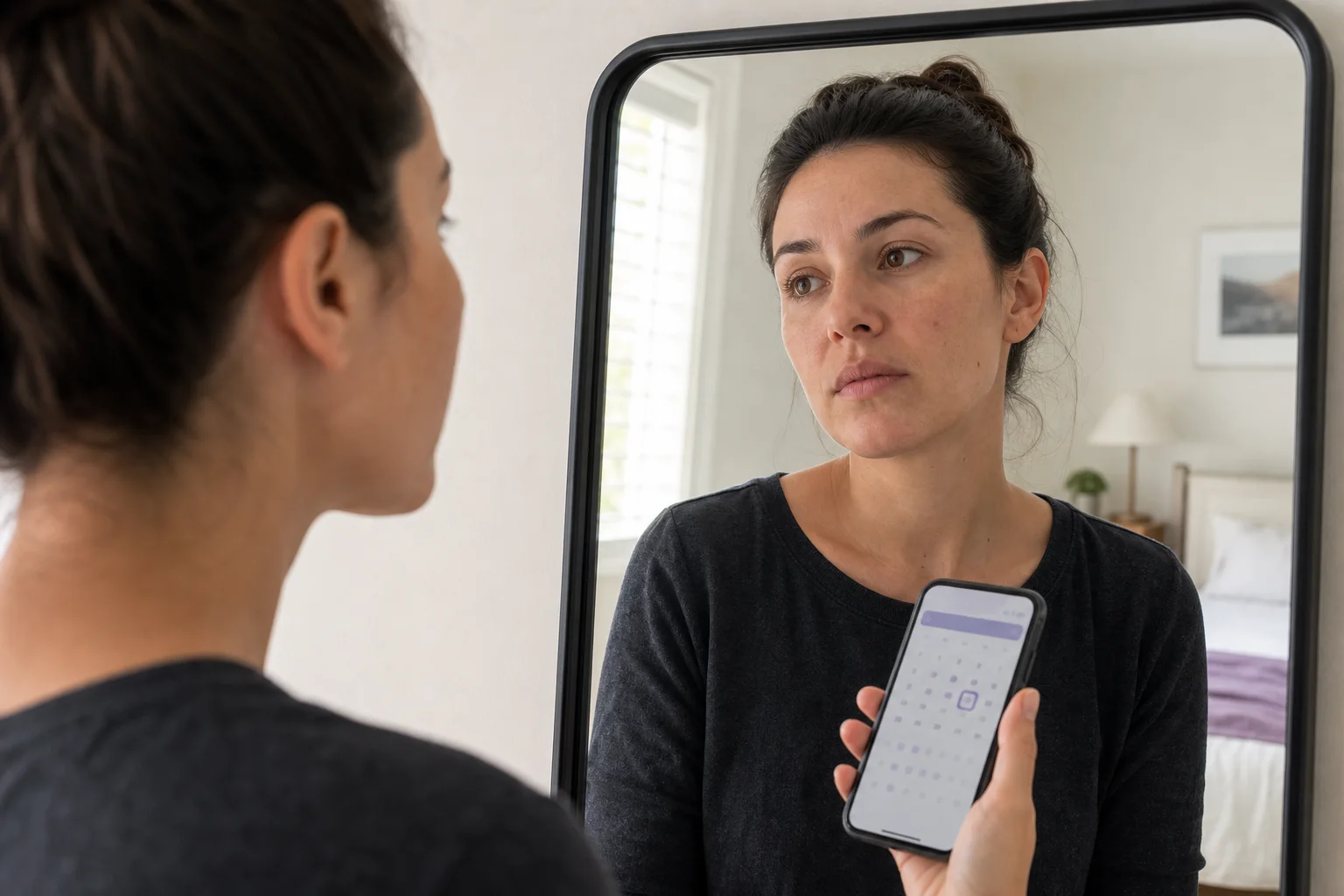
Acne can leave changes in color, depressions, raised scars or a combination. A serum may address one concern while leaving another visible. Choosing the next step begins with assessment and the change you want, not a fixed order of procedures.
Some people want treatment; others decide that the cost, risk or downtime is not worthwhile. This guide explains the main options and consultation questions without promising a percentage improvement, prescribing a medicine or selecting a procedure from a selfie.
At a Glance
- Marks and scars can overlap: Color, depth and texture need assessment; a photo cannot confirm the cause or treatment.
- Home care has a role: Managing acne and maintaining comfortable care matter, but no serum can promise to erase pits.
- Procedures are individual: Scar features, skin history, goals and risks determine whether and how treatments are combined.
- No universal sequence: Subcision, peels, microneedling, lasers and fillers are not a package everyone needs.
- Plan the full cost and recovery: Get an individual estimate and written aftercare, including instructions for prescribed medicines.
Understand the Terms Without Self-Diagnosing
Rolling depressions
Clinicians use “rolling” to describe broad, sloping depressions. Some scars may be tethered beneath the surface, but a shadow or a home stretch test cannot determine the underlying attachments or whether subcision is appropriate.
Ask the clinician which visible features they think can change and which treatment would address them. The Subcision vs Microneedling Guide explains questions about these different approaches.
Boxcar scars
“Boxcar” generally describes depressions with more defined edges. Depth, width, location and the surrounding skin influence the plan. A label alone does not select a peel, laser or needling device.
If several treatments are proposed, ask which feature each is intended to address. You should understand why the clinician recommends one approach before buying a series.
Icepick scars
“Icepick” describes a narrow, deep-looking depression. A clinician may consider focal approaches for suitable scars, but a home photograph does not establish suitability for an acid procedure or surgery.
TCA CROSS for Icepick Scars discusses a clinician-performed option and its risks. Do not use this description to apply concentrated acid at home.
Raised scars and keloids
Raised scars need a different assessment from depressions. Tell the clinician if a scar has grown beyond the original injury, if previous procedures caused raised scars or if keloids occur in your family.
Do not assume that a treatment intended to stimulate remodeling in a depression is appropriate for every raised scar. New or changing lesions also need identification before cosmetic treatment.
Color changes after acne
Post-inflammatory hyperpigmentation refers to darkening after inflammation, while post-inflammatory erythema refers to lingering redness. These can coexist with a scar. Color alone does not confirm the diagnosis or mean that a pigment product will address all of the concern.
Describe whether the area feels flat, raised or depressed without treating that observation as a diagnostic rule. Ask about the color and texture separately when both bother you.
Set a Goal Before Comparing Treatments
A useful goal might concern a particular depression, persistent discoloration or how the skin looks in everyday lighting. Avoid making perfectly smooth, poreless skin the condition for success.
Bring earlier photos if helpful, but understand how lighting can change shadows. A clinic’s before-and-after images may demonstrate one person’s course; they cannot establish your result, number of sessions or recovery time.
| Consultation topic | Detail to bring |
|---|---|
| Main concern | Color, depressions, raised areas, symptoms or several together |
| Current acne | Ongoing breakouts, pain, new scars and current care |
| Prior treatment | Medicines, procedures, reactions and what changed |
| Skin history | Pigment changes, keloids, healing problems, infections and allergies |
| Practical limits | Budget, work or family commitments, sun exposure and aftercare capacity |
| Personal goal | What improvement would be worthwhile and which risks you would decline |
A clinician can use this information alongside an examination. An app can organize the record but cannot diagnose scar depth or select a procedure.
What Home Care Can and Cannot Do
Address active acne
If breakouts are continuing to leave scars, ask about acne treatment before committing to scar procedures. The appropriate medicine or combination depends on the diagnosis and severity. This article does not choose oral isotretinoin, spironolactone or a topical retinoid for you.
Tell the clinician about all current and recent acne treatments. Do not stop a prescribed medicine because a procedure calendar says to, and do not keep using it against specific instructions. Ask the prescriber and procedure clinician to provide a coordinated plan.
Keep skin comfortable
Use gentle cleansing, a moisturizer you tolerate and suitable broad-spectrum SPF 30 or higher sunscreen as directed, alongside shade and protective clothing. Optional serums are not required to complete a scar-care routine.
For a medicine, follow its actual area, amount and schedule. Do not add a retinoid or acid solely because a generic scar routine includes it. If an optional cosmetic causes a reaction, stop it; follow medicine warnings and seek advice for severe, persistent or worsening symptoms.
Understand the limits of a topical promise
Some topical treatments may make mild scarring or discoloration less noticeable, while deeper or complex changes may prompt discussion of procedures. That does not mean all pits require an intervention or that home care delivers a fixed percentage improvement.
Ask what outcome is realistic for the specific product and concern. A cream cannot be assumed equivalent to a procedure, and a procedure is not automatically necessary because a cream has limits.
Compare Clinical Options by Their Purpose
Subcision or other scar surgery
A clinician may release a suitable tethered depression or consider another surgical approach, such as removing or elevating a scar. These are medical procedures, not techniques to recreate with a needle at home.
Ask about the planned area, anesthesia, risks, recovery and alternatives. Do not assume subcision must always come first or that releasing one scar makes every other treatment appropriate. Read Subcision vs Microneedling for a fuller comparison.
TCA CROSS and other peels
TCA CROSS is a focal chemical procedure used by trained clinicians for selected scars. The choice of technique and product belongs in a professional plan. Burns, pigment changes and additional scarring are relevant risks to discuss.
This guide does not provide an acid concentration, application method or home procedure. A peel sold online is not a safe substitute for a clinical assessment. See TCA CROSS for Icepick Scars.
Microneedling
Microneedling uses needles to create controlled skin injury in a clinical treatment. Suitability depends on the device, purpose, skin condition and provider. The FDA explains that microneedling can have risks including bleeding, bruising, infection and pigment changes.
Ask whether the device is authorized for the intended use where you live, who performs the treatment and what aftercare is needed. Do not treat an at-home roller as equivalent to a clinic procedure. Follow the device and clinician’s instructions rather than choosing needle depth yourself.
Radiofrequency microneedling
RF microneedling adds radiofrequency energy to needle treatment. It should not be described as automatically safer for darker skin or as the best balance for everyone.
On October 15, 2025, the FDA warned of serious complications reported with certain RF microneedling uses, including burns, scarring, fat loss, disfigurement and nerve damage. Ask about the specific device, intended use, practitioner training and how complications are handled.
Fractional laser
Different lasers create different treatment effects and recovery demands. A name such as CO2 or erbium does not settle the right settings, number of sessions or suitability for your skin.
Ask which scar features the proposed device is intended to address and how skin tone, pigment history and prior treatments affect the plan. See Fractional Laser for Acne Scars for questions about risks and recovery.
Fillers and combined treatments
Some fillers may be used for selected depressed scars, but suitability, duration and follow-up depend on the product and treatment plan. They are not automatically a final “polish” step that everyone should add.
The FDA highlights accidental injection into a blood vessel as a serious risk, with possible tissue death, blindness or stroke. Ask about the exact product, local indication, alternatives and emergency response. Do not assume every filler can be easily removed or reversed without risk.
There Is No Universal Best Procedure Order
A plan may use one approach or several. The reason for combining treatments should be tied to the assessed scars and your goals, not simply the availability of a package.
Ask these questions before agreeing to a sequence:
- What is the purpose of each proposed treatment?
- What would make the clinician reassess or stop before the next step?
- How will response and complications be checked?
- Which parts are optional, and what happens if you choose fewer treatments?
- Does the plan account for current acne and prescription medicines?
- What alternatives include no procedure?
Do not use a fixed calendar to decide that skin is ready for the next intervention. Healing and suitability need the treating clinician’s assessment and instructions.
Budget Paths Without Invented Prices or Result Percentages
Start with assessment and essential care
If funds are limited, prioritize understanding the concern and addressing active acne when relevant. Ask for a written plan that separates essential treatment from optional cosmetic work.
A consultation does not obligate you to buy a package. Ask whether a smaller, focused approach or postponing treatment is reasonable. Do not borrow a medicine plan from a cheaper online routine to avoid needed assessment.
Compare a focused procedure with a series
Request itemized quotes for the proposed option and explain your budget. Include consultations, the procedure, anesthesia if charged separately, aftercare, follow-up, travel and time away from work.
Ask how additional sessions are decided and what happens if there is little benefit or a complication. A low advertised session price may not describe the full cost of the plan.
Review any larger combination plan
A more expensive plan does not guarantee a greater percentage improvement. Ask why each component is needed, what evidence supports the proposed combination and whether the steps can be reconsidered as treatment progresses.
Avoid paying for an outcome percentage without understanding how it is measured. Lighting, scoring methods and personal expectations can produce very different impressions of “improvement.”
Plan Recovery Before Booking
Obtain written instructions for cleansing, dressings, moisturizing, sun protection, makeup and activities. Ask about work, exercise and important events using the actual procedure plan rather than a generic downtime table.
Medicine instructions should name the actual products and come from the relevant clinicians. Do not independently stop, restart or increase acne medicines or pigment treatments around a procedure. A universal number of days cannot replace that plan.
Know whom to contact outside routine hours. Report symptoms that the treating team identifies as concerning, and seek prompt care for worsening pain, spreading redness, discharge, fever or other signs of a complication. Eye symptoms after facial injections require urgent attention.
Do not pick healing skin, use a scrub to remove crusts or add a home peel to speed the result. Follow aftercare even if the surface looks different from someone else’s recovery photo.
Skin Tone, Pigment History and Keloid Risk
A history of post-inflammatory pigment changes matters in treatment planning. So do keloids, poor healing, prior reactions and active skin disease. Bring these details even if the concern seems unrelated to the scar you want treated.
No device category is automatically safe for every skin tone. The plan should explain relevant risks and options for your situation. Device parameters, treatment spacing and any pigment-related medicine require an individual clinical plan; skin color alone cannot set them.
Ask whether any preparation is needed and who directs it. Do not start hydroquinone, another lightening treatment or a new acid as a universal pre-procedure step.
FAQ
Can old scars still be treated?
Age alone does not determine whether a scar can change. A clinician can assess the scar and discuss realistic options. No guide can guarantee a result for every old scar or promise complete removal.
Is microneedling or laser better?
It depends on the specific concern, device and person. Compare likely benefit, relevant risks, aftercare and alternatives. RF microneedling has a separate FDA safety communication and should not be treated as a universally safer form of needling.
How painful is subcision and how much downtime should I expect?
Ask the treating clinician about anesthesia, likely discomfort and a recovery range for the planned area and technique. Do not book an important event around a guaranteed bruise-resolution date from a general article.
What is the best season for treatment?
Choose timing that allows the actual aftercare and follow-up plan, including sun protection. Season alone does not establish safety, and the instructions may differ by procedure and individual circumstances.
Can a serum remove pits?
No serum should promise to erase every depressed scar. Some topical care may help particular mild changes or color concerns, while other changes may lead to a discussion of procedures. Choosing no procedure is still valid.
Can I do TCA CROSS or deep needling myself?
Do not attempt these procedures at home. Concentrated acids and devices that injure skin can cause burns, infection, pigment changes and further scarring. Seek a qualified clinician’s assessment if you are considering treatment.
Will an app tell me which procedure I need?
No. A skin photo cannot establish the depth, attachments or diagnosis needed for a procedure decision. Use a clinical consultation for that assessment.
Keep Care and Questions Organized
Get the app to organize routine notes and visible changes. It cannot diagnose scar type, prescribe a procedure or decide medicine pauses and restarts around treatment. Keep the clinician’s written instructions as the treatment plan.
What to Read Next
- Acne Scars and Texture Guide
- Subcision vs Microneedling
- TCA CROSS for Icepick Scars
- Fractional Laser for Acne Scars
Sources and Scope
- AAD: Acne scar consultation and treatment options
- AAD: Acne diagnosis and treatment
- FDA: Microneedling devices and risks
- FDA: Safety communication on certain RF microneedling uses
- FDA: Dermal filler risks
This is general education, not a diagnosis or a personal treatment plan. Products, procedures and local approvals differ; discuss the actual options with a qualified clinician.