Evidence-based insights
Clear, practical guides for rosacea, sensitive skin, and building routines that actually work.

Skin Picking, Healing & Acne Scars: Break the Loop Without Shame
Skin picking is not a willpower failure. Protect healing skin, map the trigger loop, reduce scar risk, and find the right kind of support.
Acne Spot Not Healing? When to Stop Treating It Like a Pimple
A persistent, open, or repeatedly crusting spot needs a different plan. Learn what to stop, what to document, and when to seek medical care.

Perioral Dermatitis vs Acne: Clues Before You Add Another Active
Small bumps around the mouth are not always acne. Compare the pattern, avoid common treatment traps, and know when to seek a diagnosis.

How to Wash Your Face When Your Skin Barrier Feels Damaged
A low-friction face-washing method for skin that feels raw, tight, or easily irritated—plus what to do when even water burns.
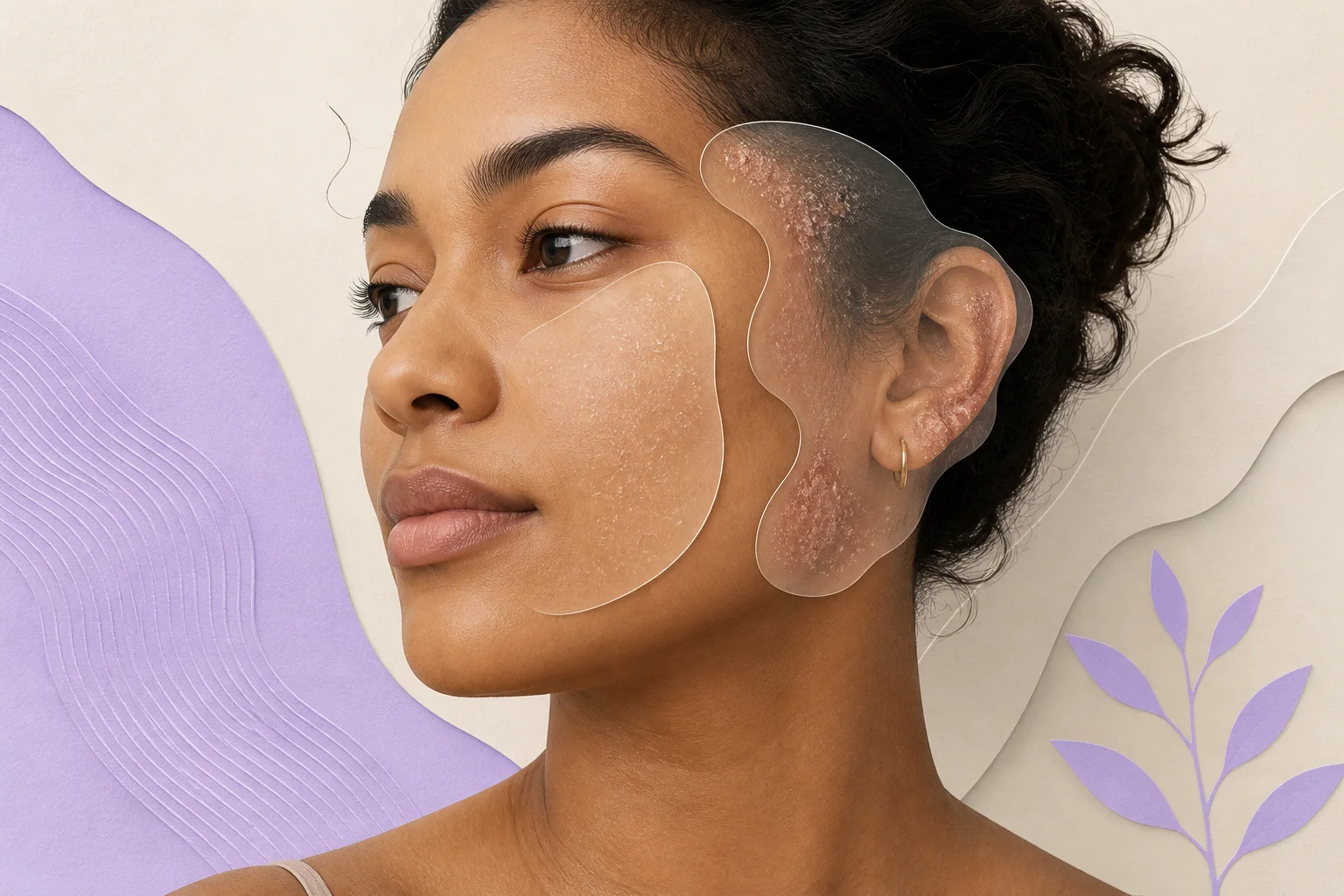
Dry Skin or Seborrheic Dermatitis? How to Read the Pattern
Flaky skin that ignores moisturizer may not be simple dryness. Compare the pattern, avoid risky DIY treatment, and know when to seek a diagnosis.

Wedding Skin Prep: What to Change as the Day Gets Closer
Wedding or big event coming up? Use this practical countdown to decide what to keep, what to postpone, and when a skin concern needs medical help.
Adapting Your Skincare Routine for Summer Heat and Humidity
Adjust heavy-feeling products, plan sunscreen reapplication, and keep summer skincare simple without a fixed exfoliation schedule.
Tretinoin and Dry Eyes: Evidence, Symptoms and Questions for Care
Separate oral isotretinoin evidence from topical tretinoin precautions. Learn which eye symptoms need care and what to ask before changing treatment.

Beyond Sunscreen: Clothing, Hats and Shade for Sun Protection
Compare UPF clothing, hats, sunglasses and shade, understand their limits, and plan protection for exposed skin during work, exercise and family days outside.
Is Skincare-Infused Makeup Effective? How to Judge the Claims
Learn what ingredients, product studies and SPF labels can tell you about skincare-infused makeup, and how to fit a hybrid product into your routine.
Korean 10-Step Skincare Routine: Every Step Explained
Understand the ten common K-beauty categories, keep extras optional and build a practical routine around gentle care, sunscreen and prescribed treatment.
Is My Skincare Routine Good? A Five-Part Review
Review your skincare basics, product purpose, directions, application and response. Build useful questions without medical scores or automatic medicine changes.
10 Skincare Habits to Review When You Keep Breaking Out
Review cleansing, optional products, treatment directions and new breakouts without blaming your habits or diagnosing a purge. Know when to seek advice.
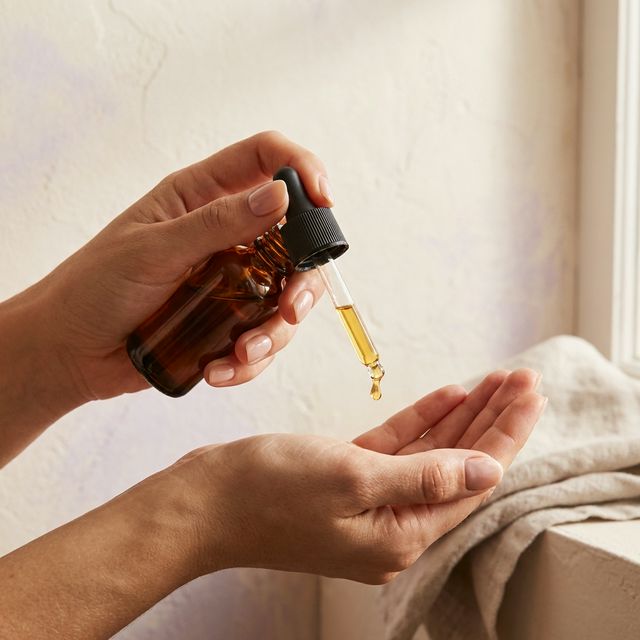
How to Apply Face Serum: Amount, Order and Product Directions
Apply face serum using its own directions for amount, skin preparation and timing. Learn how to handle pilling, irritation and optional layers.
5 Basic Skincare Steps Explained for Beginners
Understand cleanser, toner, serum, moisturizer and sunscreen. Start with the basics, keep optional steps optional, and follow the directions for your products.
How Many Serums Is Too Many? Review Your Routine
Review each serum’s purpose, directions and tolerance. Learn how to simplify optional products without changing prescribed care or reducing sun protection.
7-Step Skincare Routine: What Actually Matters
Review the seven common skincare categories, choose useful basics, keep extras optional and follow product-specific treatment and sunscreen directions.
How to Build a Skincare Routine from Scratch
Build a practical skincare routine with comfortable basics, sun protection and prescribed care. Choose optional products thoughtfully and keep a useful record.
Proper Skincare Routine for Beginners
Start a simple skincare routine with gentle cleansing, moisturizer and sunscreen. Learn practical application, optional extras and when to ask for advice.
What Happens If You Skip Moisturizer?
Understand what moisturizer can do for dryness and comfort, whether your sunscreen provides enough moisture, and when stinging or persistent symptoms need advice.
Why Does Skin Feel Tight After Washing?
Review tightness after cleansing, what pH and foam can tell you, gentle washing options, and when persistent symptoms need medical advice.
Why Does Sunscreen Sting Your Skin?
Sunscreen stinging can have several causes. Learn what to do, when to seek help, and how to review a formula without diagnosing barrier damage or an allergy at home.
Barrier Repair for Tretinoin Irritation
Tretinoin causing stinging, dryness or peeling? Review product warnings, gentle care, and questions for your prescriber before changing treatment.
Barrier Care for Rosacea: A Gentle Routine for Irritated Skin
Simplify skincare when rosacea-prone skin feels dry, tight or irritated. Learn how basic care fits with prescribed treatment and when symptoms need assessment.

How to Introduce Skincare Actives: A Practical Guide
Starting retinol, vitamin C or an acid? Check product directions, review your routine, understand testing limits and know what to do if your skin reacts.
Retinoid Neck Irritation: Symptoms, Care and Application Questions
Neck burning or peeling after retinoid use? Check the intended application area, medicine warnings and gentle care before changing or restarting treatment.
Retinol Under the Eyes: Product Directions, Symptoms and Care
Considering retinol around your eyes? Review the exact product, application warnings and symptoms that need eye care without relying on a universal safe zone.
Why Does My Skincare Burn or Sting?
Skincare burning or stinging? Learn what to record, how to respond to a reaction and when to seek help without diagnosing it from a timer or skin scan.
How to Repair Your Skin Barrier: The Complete Guide
Stinging or tight skin? Review possible triggers, simplify your routine, choose a tolerated moisturizer and learn when to get medical help.

Ceramides, Cholesterol and Fatty Acids: Choosing a Moisturizer
Understand skin-barrier lipids, the limits of 3:1:1 ratio claims, and how to choose a moisturizer that fits your skin and treatment plan.
Slugging with Acne or Rosacea: Products, Dryness and Medication Questions
Understand what slugging can and cannot do, acne and rosacea cautions, product labels and why an ointment over medication needs individual advice.
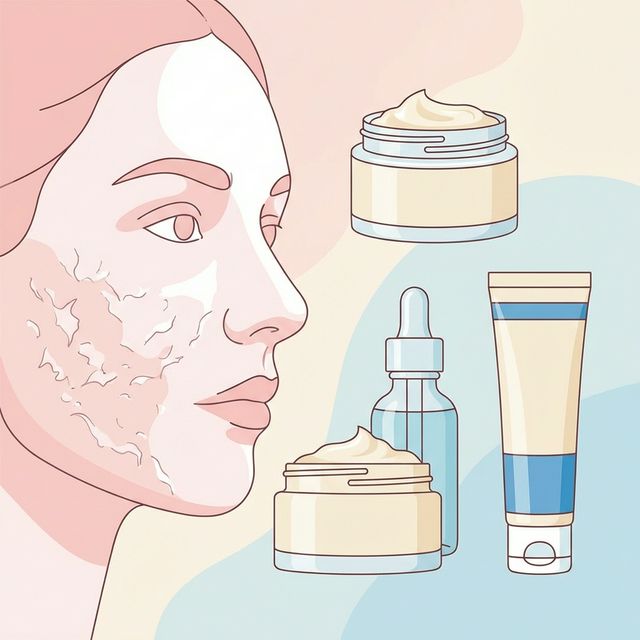
Retinoid Peeling & Flaking: Care and When to Ask for Help
Peeling during retinoid use? Check product warnings, avoid irritating extra steps, and prepare questions about symptoms and your treatment plan.
Can I Use Retinol and Acids Together? Product-Specific Guidance
Compare retinoids, AHAs, salicylic acid, PHAs and vitamin C without a universal mixing chart. Check product directions, irritation and questions for your prescriber.
Retinol Buffering: Moisturizer and the Sandwich Method
What does the retinol sandwich method mean? Learn the limits of moisturizer layering, product-specific instructions and questions for your prescriber.
Retinoid Irritation & Barrier Care: Symptoms and Next Steps
Burning, stinging or raw skin during retinoid use? Check product warnings, simplify optional skincare and prepare questions for your prescriber.
Retinoid Purging vs Breakout: What to Record and When to Seek Help
New bumps after a retinoid? Learn why timing and location cannot diagnose a purge, what symptoms to record and when to contact your prescriber.
Adapalene vs Tretinoin: Which Retinoid Is Right for You?
Compare adapalene and tretinoin for acne, fine lines, irritation and access. Learn what the evidence can tell you and what to discuss before starting or switching.
Retinol vs Tretinoin: Compare Products, Evidence and Treatment Questions
Compare cosmetic retinol and topical tretinoin by purpose, formulation, evidence and precautions. Prepare questions before choosing or changing a treatment.
Tretinoin Starter Guide: Product Directions, Moisturizer and Irritation
Starting topical tretinoin? Understand formulation-specific directions, moisturizer, early skin changes and what to discuss with your prescriber.
Sunscreen for Hyperpigmentation and Melasma: What to Check
Choose sun protection for dark marks and melasma with clear SPF, UVA, and visible-light guidance. Understand tinted formulas, application, and the limits of treatment claims.
Sunscreen Stings Your Eyes? What to Do and How to Reduce Repeat Exposure
What to do if sunscreen gets in your eyes, when to get urgent help, and how to compare products and application methods without eye-safety guarantees.
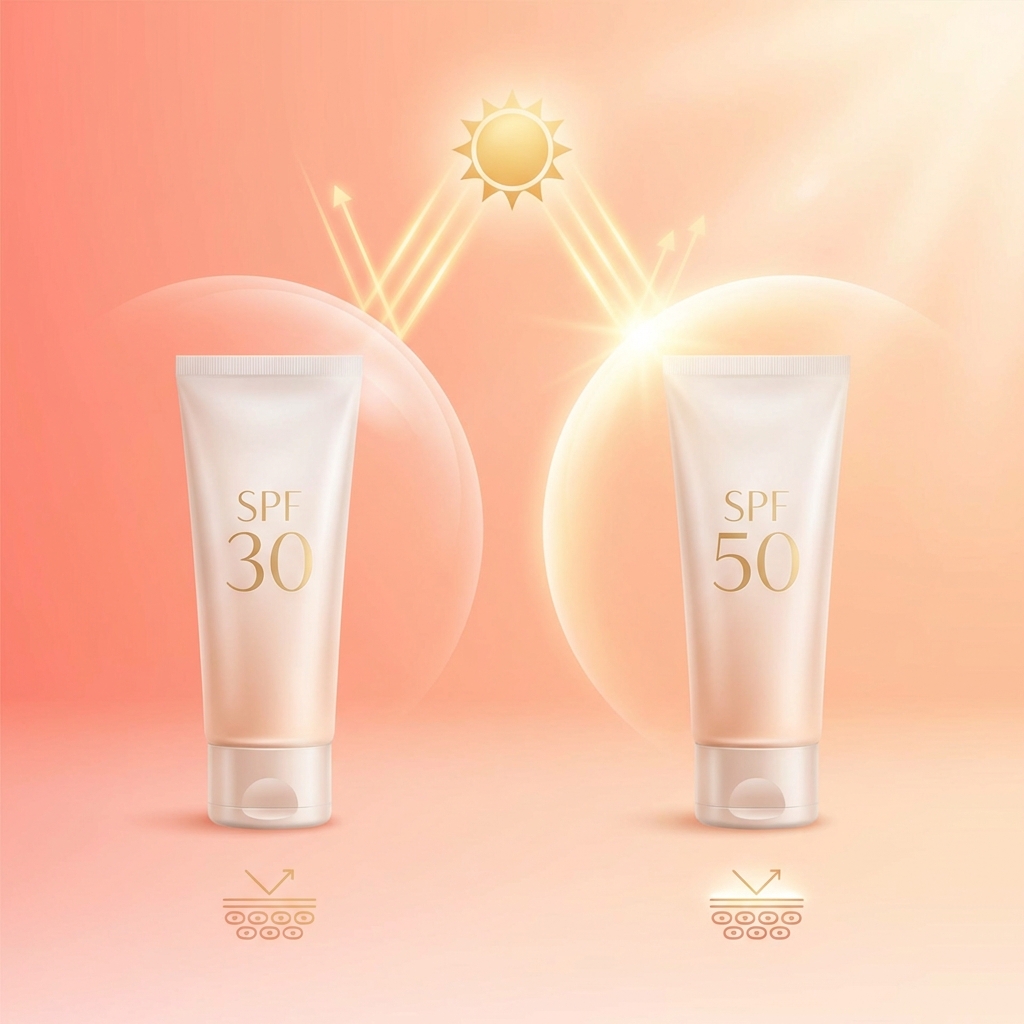
SPF 30 vs SPF 50: What the Number Means and How to Choose
Compare SPF 30 and SPF 50 without time-in-sun or half-dose shortcuts. Understand broad-spectrum protection, application, reapplication, and your own care needs.
Mineral vs Chemical Sunscreen: Compare Filters, Formulas and Everyday Use
Understand mineral, chemical and hybrid sunscreen without blanket safety or texture claims. Compare protection labels, comfort, white cast and application needs.
How to Reapply Sunscreen Over Makeup: Coverage Comes First
Compare sunscreen formats for makeup days, keep the labelled amount and coverage, and plan when makeup needs a touch-up or a fresh start.

How Much Sunscreen to Apply: Amount, Coverage, and Reapplication
Check how much sunscreen to use, where to apply it, and when to reapply, including cloudy days. A practical guide with AAD and FDA sources.
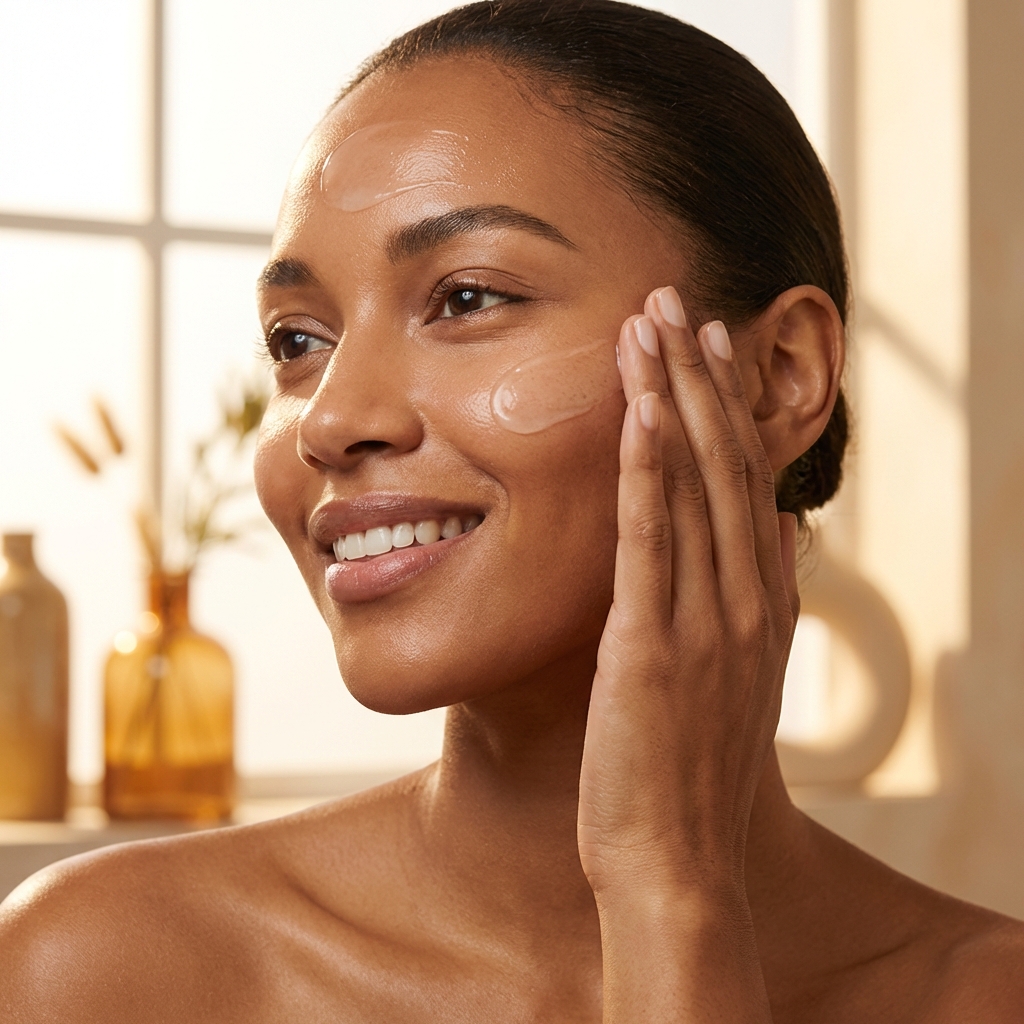
Sunscreen White Cast: Why It Happens and How to Reduce It
Compare sunscreen tints and formulas without cutting the labelled amount. Learn what white cast can tell you about appearance, and what it cannot tell you about protection.
Sunscreen for Rosacea and Sensitive Skin: A Practical Comparison
Compare sunscreen formulas for rosacea and sensitive skin without ingredient blacklists or safety guarantees. Plan gentle application, reapplication, and when to seek care.
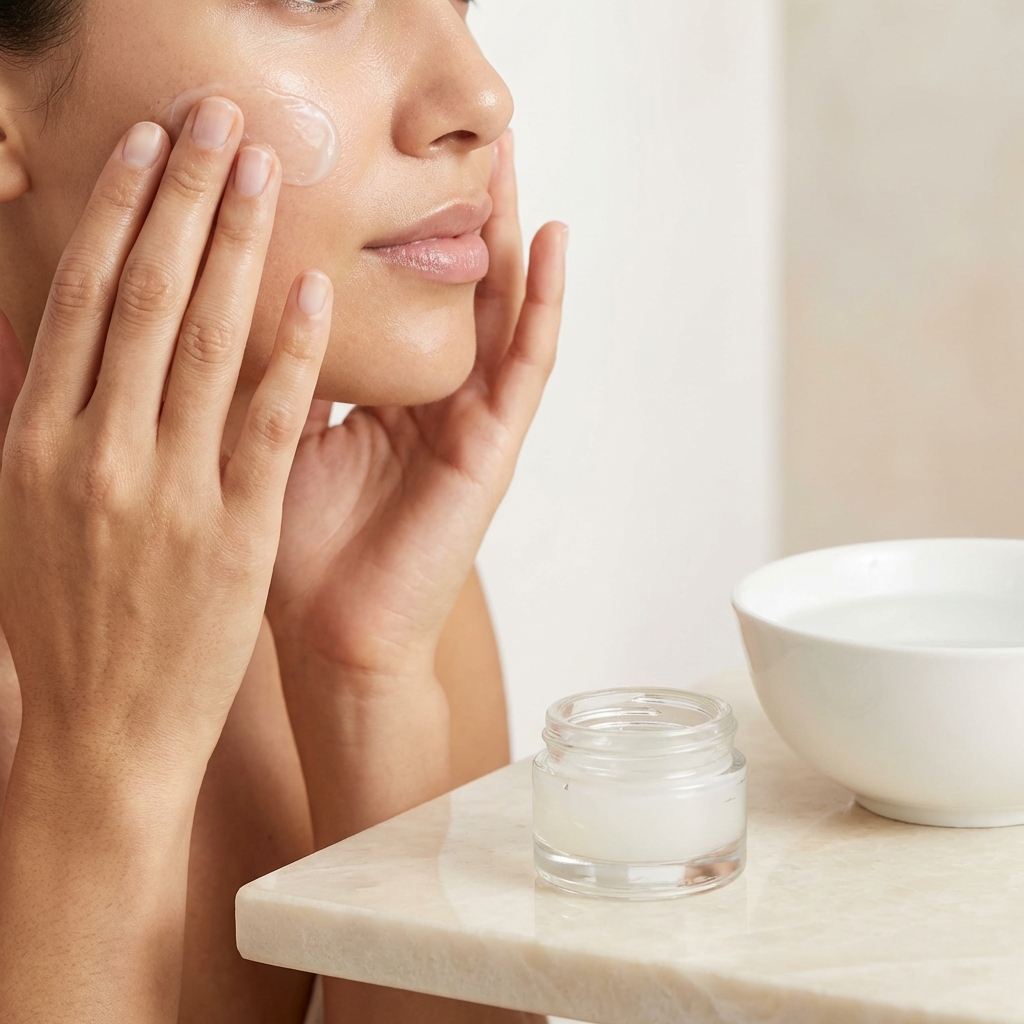
Sunscreen for Acne-Prone Skin: How to Choose and Use It
Compare sunscreen labels, textures, and routines for acne-prone skin. Learn how to protect your skin without breakout guarantees or ingredient-score rules.
Fractional Laser for Acne Scars: Types, What to Expect, and Is It Worth It?
A complete guide to fractional laser treatments for acne scars—ablative vs non-ablative, realistic results, downtime, cost, and how to choose the right provider.
Azelaic Acid vs Metronidazole for Rosacea: What to Discuss
Compare azelaic acid and metronidazole for rosacea, including treatment goals, product differences, irritation and questions about combining or switching.
Niacinamide and Rosacea: Formula, Concentration and Reaction Questions
Consider niacinamide as an optional skincare ingredient, understand the limits of concentration claims, and know what to do if a product stings or causes redness.
Sunscreen for Rosacea: Choose a Comfortable Formula and Use It Well
Compare sunscreen formulas for rosacea, plan enough coverage and reapplication, and know when stinging or a rash needs advice.

Rosacea Flushing Triggers: Track Patterns Without Restricting Everything
Learn how to record possible rosacea triggers, adapt exercise and skincare, and recognize when flushing or eye symptoms need medical advice.

Sebaceous Filaments vs Blackheads: How to Tell + What Works
They look similar but aren't the same. Here's how to identify what you're actually seeing and the routine that actually helps (without making it worse).
Closed Comedones: Understanding Bumps and Treatment Options
What are closed comedones? Learn the limits of identifying bumps at home, what to review in your routine and how to discuss acne treatment.
BHA 2% for Beginners: Directions, Routines and Reactions
Using a 2% salicylic acid product? Understand formula-specific directions, other acne treatments, possible reactions and when to ask for advice.
Adapalene (Differin) Starter Guide: Purge vs Irritation + How to Buffer
Starting adapalene? Understand product directions, moisturizer, new breakouts and irritation, and what to ask before changing treatment.
Over-Exfoliated Skin: What to Do Next
Skin stinging after exfoliation? Review your products, simplify care and learn when to seek help without relying on a fixed recovery countdown.
Pore Strips and Blackhead Tools: Limits, Risks and Alternatives
Understand what extraction can and cannot show, the risks of picking and devices, and how to discuss appropriate care without a universal treatment schedule.
Sunscreen Makes My Skin Look Textured: Pilling, 'Primer' Finishes, and Fixes
Troubleshoot sunscreen pilling, white cast and a greasy finish without reducing the amount you need. Learn when to simplify layers or try another formula.
Pores or Acne Scars? What Photos Can and Cannot Tell You
Understand the limits of stretch and lighting tests, describe pores and scar concerns, and prepare questions before choosing skincare or a procedure.
Caffeine Eye Serum: Evidence, Expectations and Product Questions
See what small caffeine eye-product studies do and do not show. Review puffiness, product directions, irritation and whether an optional serum is worthwhile.
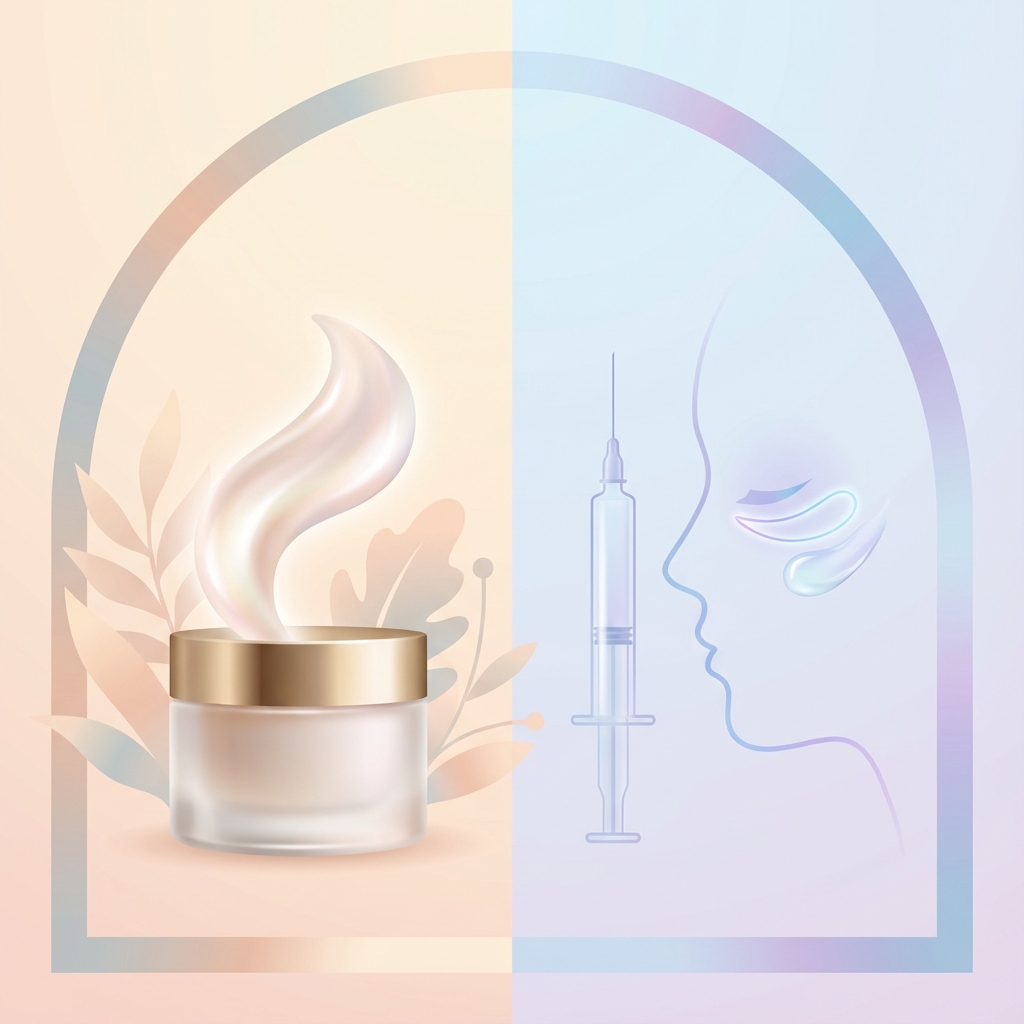
Tear Trough Filler vs Eye Cream: Options, Limits and Safety Questions
Compare eye creams and tear trough filler without a home diagnosis. Understand product-specific evidence, removal limits, urgent symptoms and consultation questions.
Dark Circles: Causes, Care Options and When to Seek Advice
Understand overlapping contributors to dark circles without a home diagnostic test. Compare gentle care, optional products and questions about procedures.

TCA Cross for Icepick Scars: Who It's For + What to Expect
Which scars TCA CROSS works on, the treatment process, aftercare, and why you should never DIY this procedure.
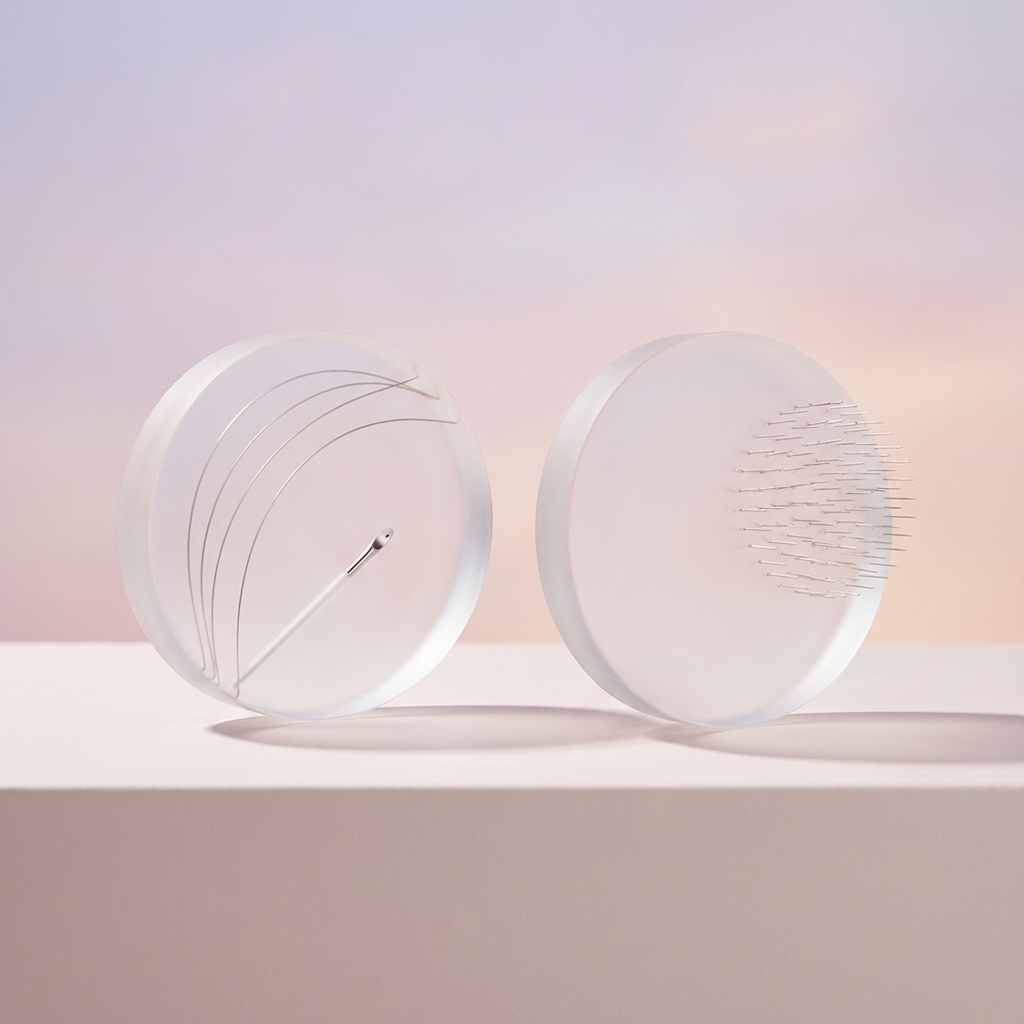
Subcision vs Microneedling: Which Acne Scar Treatment First?
Compare subcision, microneedling and RF risks, then prepare questions about assessment, combinations, recovery and an individual treatment plan.
Acne Scars and Pits: Compare Home Care, Procedures and Recovery
Understand acne marks, depressions and raised scars. Prepare questions about home care, individual procedures, risks, costs and recovery without fixed outcome promises.
Rosacea Routine for Sensitive Skin: Daily Care and Treatment Questions
Build a simple rosacea skincare routine around gentle cleansing, moisturizer, sun protection and your treatment instructions. Learn what to record and when to seek advice.
Metronidazole Not Working for Rosacea? What to Discuss Next
Review your metronidazole product, symptoms and treatment response. Learn which questions to ask about alternatives and when worsening or eye symptoms need earlier care.
Azelaic Acid for Rosacea: Starting Treatment and Handling Irritation
Learn what to check before starting azelaic acid for rosacea, how to follow your product's instructions, and when burning or irritation needs medical advice.
Download skncoach
Get AI-powered skin analysis and a routine that adapts to your progress — free to start.