Dark Circles & Under-Eye
Dark circles are one of the most common skin complaints—and one of the hardest to treat. The key is understanding what type you have. This guide helps you identify the cause, find treatments that actually work, and know when topicals won't cut it.
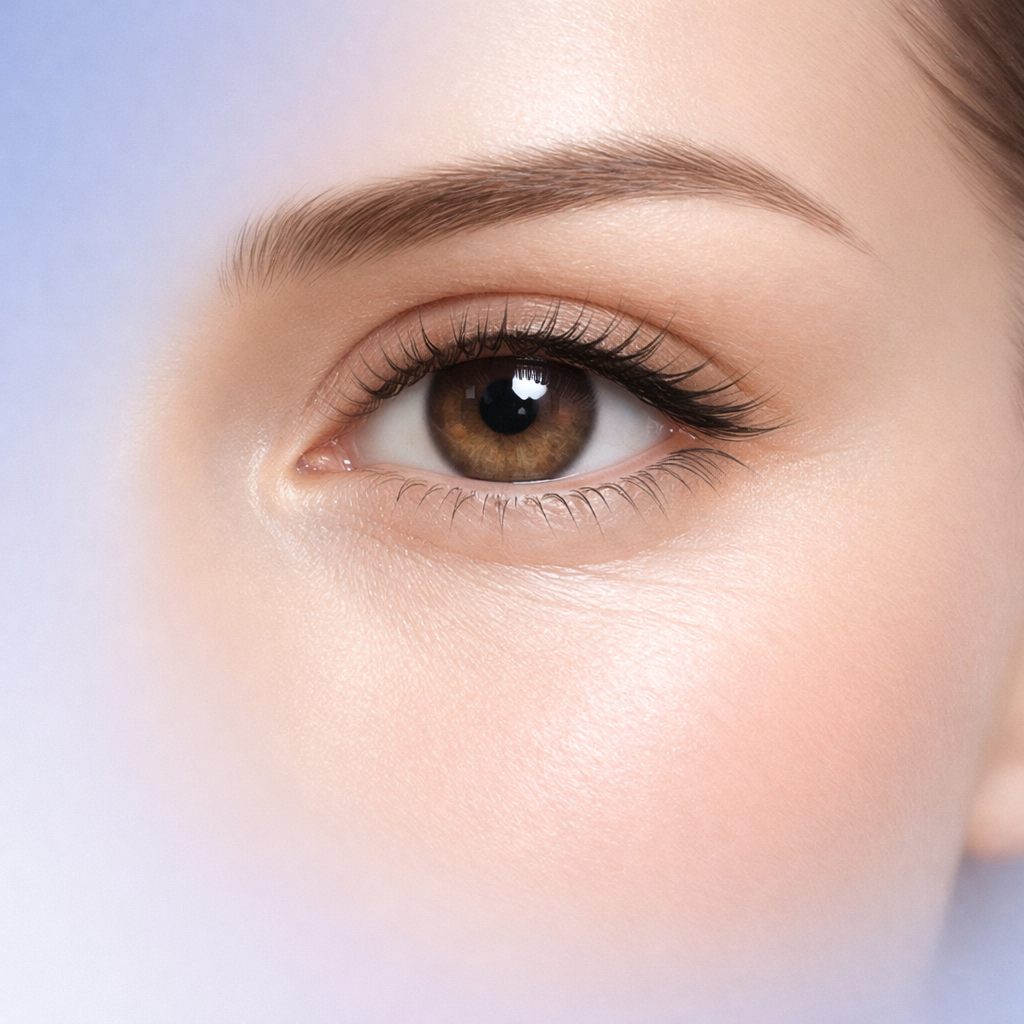
What type of dark circles do you have?
Answer a quick question to find the right approach.
What color are your dark circles?
Pigmentation Dark Circles
Brown/gray circles are from melanin or post-inflammatory hyperpigmentation. Treatments: vitamin C, niacinamide, azelaic acid, and gentle retinol over 3-6 months. Sunscreen is essential—UV makes pigmentation worse. This type responds best to consistent topical treatment.
Read: Dark Circles Causes & FixesVascular Dark Circles
Blue/purple circles are from blood vessels showing through thin under-eye skin. Caffeine can help temporarily by constricting vessels. Retinol may thicken skin over time. For significant improvement, consider cosmetic procedures like laser or filler. Topicals have limited impact here.
Read: Does Caffeine Eye Serum Work?Structural (Hollow) Dark Circles
Shadowy circles come from under-eye hollows, fat loss, or bone structure. No topical can fix this—it's anatomy. Options: tear trough filler from a skilled injector can add volume and reduce shadows. Always consult with an experienced derm or oculoplastic surgeon.
Read: Tear Trough Filler vs Eye CreamUnder-Eye Puffiness
Morning puffiness is usually fluid retention—salt, alcohol, allergies, or sleeping flat. Quick fixes: cold compress, caffeine serum, sleeping elevated. Persistent bags may be fat pads (structural) which don't respond to topicals. If chronic, consider evaluation by a derm.
Read: Does Caffeine Eye Serum Work?All Guides & Resources
Everything you need to understand and address dark circles.
Understanding Dark Circles
Treatments & Ingredients
Puffiness & Morning Issues
Professional Treatments
Starter routine
A gentle routine focused on the delicate under-eye area.
AM Routine
- 1 Gentle cleanse — avoid tugging under eyes
- 2 Caffeine serum — pat gently, don't rub
- 3 Eye cream — hydrating, with peptides OK
- 4 Sunscreen — extend to under-eye area gently
PM Routine
- 1 Remove makeup — oil cleanser, no tugging
- 2 Gentle cleanse — water-based second cleanse
- 3 Treatment — vitamin C or gentle retinol (if tolerated)
- 4 Eye cream — rich, occlusive for overnight
Causes Cheat Sheet
The three types of dark circles and what helps each.
Pigmentation (Brown/Gray)
From melanin deposits or post-inflammatory hyperpigmentation. Responds to: vitamin C, niacinamide, azelaic acid, gentle retinol, sunscreen. Treatable with topicals over months.
Vascular (Blue/Purple)
Blood vessels visible through thin skin. Caffeine helps temporarily. Retinol may thicken skin. For real improvement: laser treatments or cosmetic procedures. Limited topical response.
Structural (Shadows/Hollows)
Caused by anatomy: fat loss, tear trough depth, bone structure. No topical can fix. Options: filler, fat grafting, or surgery. Must be done by experienced injector/surgeon.
Allergy Shiners
Dark circles from nasal congestion and allergies. Blood pools under eyes when sinuses are blocked. Fix: treat the underlying allergy (antihistamines, nasal spray). Topicals won't help.
Sleep Deprivation
Poor sleep causes paler skin, making vessels more visible. Also increases fluid retention. Fix: sleep. Caffeine serum provides temporary relief but doesn't address root cause.
Genetic/Ethnic
Some people naturally have deeper-set eyes or more pigmentation around eyes. This is normal variation. Management is the goal—complete elimination may not be realistic.
What not to do
These mistakes can make dark circles worse or waste your money.
Rubbing or tugging under-eye skin. The skin here is thin and fragile. Aggressive makeup removal or application causes irritation and can worsen pigmentation over time.
Using face-strength retinol under eyes. Under-eye skin is thinner and more sensitive. Use formulas designed for the eye area, or buffer heavily if using face retinol.
Expecting eye cream to fix structural hollows. No topical can add volume. If your dark circles are from anatomy (hollows, bone structure), you need filler or procedures.
Skipping sunscreen on the under-eye area. UV exposure worsens pigmentation and breaks down collagen. Extend your facial sunscreen gently under the eyes.
Using too many actives at once. The under-eye area is easily irritated. Stick to 1-2 targeted treatments. More products ≠ faster results.
Expecting overnight results. Even treatments that work take 3-6 months of consistent use. If switching products every few weeks, nothing gets a fair trial.
When to see a dermatologist
Some situations need professional evaluation.
- Dark circles are new or suddenly worse (rule out medical causes)
- You have structural hollows and want to discuss filler options
- Topicals haven't improved pigmentation after 6+ months of consistent use
- You're considering laser treatment for vascular dark circles
- Under-eye bags are persistent and affecting your quality of life
- You have chronic allergies that may be causing allergy shiners
Common questions
Quick answers to the most-asked dark circle questions.
What causes dark circles under the eyes?
Do caffeine eye creams actually work for dark circles?
Why are my dark circles worse in the morning?
Can retinol help with dark circles?
100% Independent. Always.
We never monetize through brand deals, affiliate links, or ads — so you can trust our recommendations.
Get your personalized routine
A skin scan helps you understand your skin and get a routine that addresses your under-eye concerns.