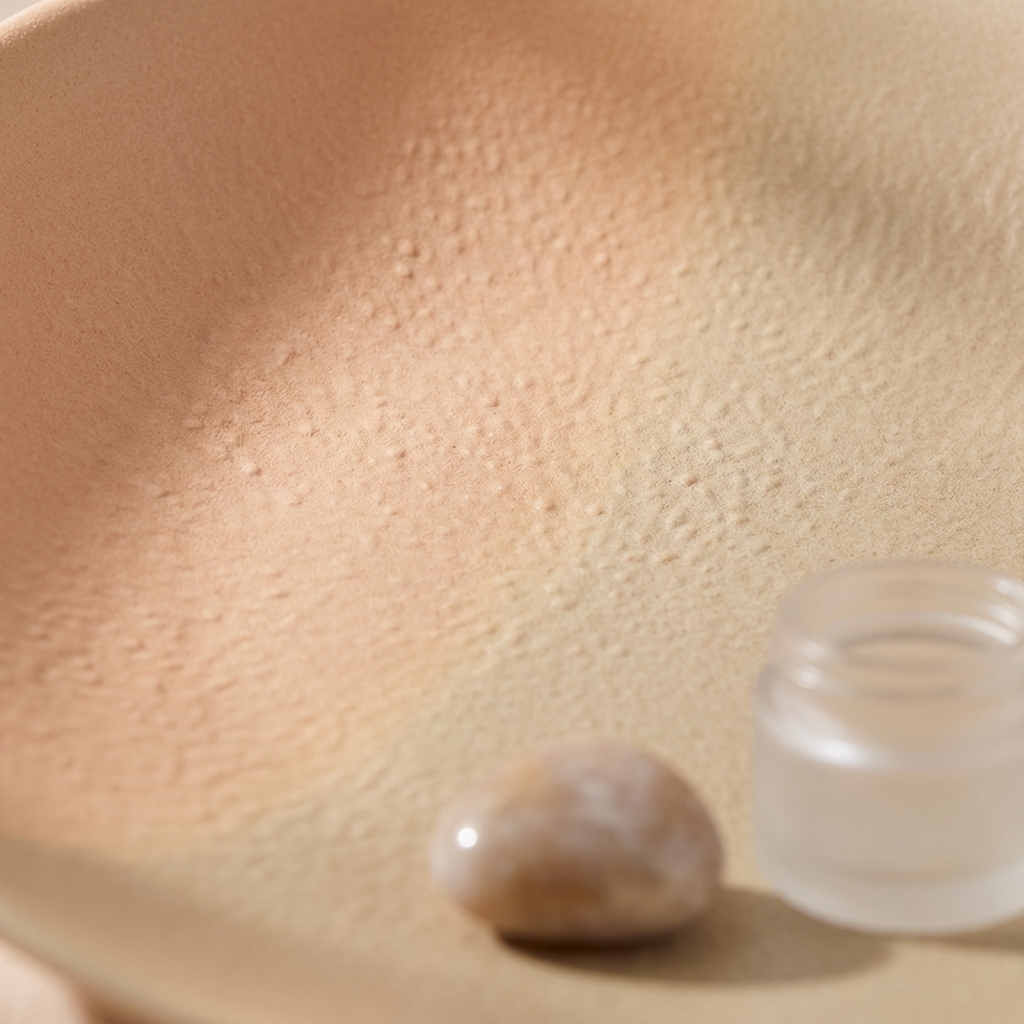
Small bumps can be frustrating, especially when they show up in side lighting and do not respond to the products you have tried. Closed comedones are one possible explanation. A description, phone photograph or texture test cannot confirm that every bump is acne.
This guide explains the term, what to review in your routine and what a treatment discussion can cover. It does not assign an adapalene plan to everyone with bumpy skin.
At a Glance
- What the term means: A closed comedone is a whitehead, a type of acne lesion.
- What it does not tell you: Not every small skin-coloured bump is a comedone.
- Treatment varies: Options depend on the diagnosis, other acne, skin tolerance and personal circumstances.
- Avoid experiments: Do not pick, extract or add several new active products at once.
- Review problems: Worsening symptoms, significant irritation or scarring deserve advice rather than a fixed purging countdown.
This guide belongs to Skin Texture & Visible Pores.
What Closed Comedones Are
Comedones are blocked hair follicles. The American Academy of Dermatology describes a closed comedone as a whitehead. An open comedone is a blackhead. These terms refer to types of acne, not simply to anything that feels rough.
A whitehead may look like a small skin-coloured or whitish bump. A pus-filled inflamed spot is a different lesion. People can have several types at the same time, which is one reason a treatment plan considers more than surface texture.
Do not press a bump, stretch the skin or examine it with a harsh flash to prove which type it is. Those methods cannot diagnose the problem and may encourage picking.
What Else Might Look Similar?
Milia, folliculitis, irritation and other skin conditions can produce small bumps. Itching, location and appearance are useful parts of a history, but none alone settles the diagnosis.
Do not try an antifungal shampoo as a facial mask to see whether the bumps are “fungal acne.” A response to a product is not a reliable home diagnostic test, and medicines need the correct indication and directions.
If you are unsure, particularly when bumps are itchy, painful, spreading or appearing with a rash, ask a clinician to assess them. Bring photos showing how the problem changed, rather than relying only on one close-up.
Review Products Without Blaming an Ingredient Automatically
Make a list of facial skincare, makeup, sunscreen and hair products that contact the affected area. Note new products and changes in frequency. Hair products can be relevant around the hairline, but forehead bumps do not prove that hair oil is the cause.
A rich cream, petrolatum or silicone is not automatically responsible for every person’s bumps. An ingredient rating cannot predict the behaviour of the whole formula on your skin. “Non-comedogenic” can be a useful shopping label, but it is not a guarantee that a product will suit everyone.
Friction, occlusion and work or sports equipment can also belong in the history. Record what touches the area without assuming that changing a pillowcase or cleanser will solve every case.
Why Adding Several Actives Makes the Review Harder
Starting an acid, retinoid, mask and spot treatment together gives you several new variables. If your skin becomes sore or develops more bumps, it is harder to know which change mattered.
A simpler routine can be easier to follow, but there is no maximum number of products that proves a routine is safe. Ingredients, directions and how you use the products matter more than counting bottles.
Keep the products you need and can tolerate. Set aside unnecessary experiments while you decide what to change. If you already have prescribed treatment, discuss concerns with your prescriber rather than replacing it with a generic one-active rule.
Treatment Options to Discuss
The AAD’s acne-treatment guidance describes topical retinoids and other options for acne. Salicylic acid may be considered for some whiteheads and blackheads. The choice depends on the actual problem, its severity and your circumstances.
| Topic | Useful question |
|---|---|
| Diagnosis | Are these comedones, another condition or a mixture? |
| Treatment | What is this product intended to change? |
| Application | Where, how much and how often should I use it? |
| Other products | Which existing steps should stay or change? |
| Irritation | What symptoms should prompt a call or urgent assessment? |
| Follow-up | When should we review progress or adjust the plan? |
You do not need to arrive with a preferred prescription or a stronger product in mind. Explain what you have already used and what happened, including products that were too uncomfortable to continue.
Where Adapalene Fits
Adapalene is a topical retinoid used for acne. Some 0.1% products are available without a prescription in the United States; access and directions differ across countries and formulations. An article cannot decide that it is the right treatment for your bumps.
If adapalene is appropriate, use the exact product instructions and your clinician’s advice. Do not copy a universal every-other-night introduction, buffering order or week-five purging schedule. The adapalene starter guide explains what to ask before use.
Retinoids should be avoided during pregnancy. Discuss planning pregnancy and breastfeeding with your clinician before starting a product. A lower strength or less frequent use does not remove the need to check suitability.
Adapalene and benzoyl peroxide
Benzoyl peroxide does not universally cancel adapalene. Licensed combination medicines contain both; the US EPIDUO label is one example.
That does not mean you should combine separate products yourself. The formulation, indication and directions matter. Ask your prescriber about the exact treatment instead of using a blanket ingredient blacklist or homemade mixture.
A Manageable Routine During Treatment
Morning
Use a gentle cleanser if needed, a tolerated moisturizer and broad-spectrum SPF 30 or higher sunscreen according to the label. Shade and protective clothing also help. If a treatment has morning instructions, fit it in as advised.
Evening
Remove sunscreen and makeup gently. Use treatment according to its directions, including the application area, amount and any dry-skin instructions. Ask where moisturizer belongs if the order is unclear.
There is no universal ten-minute wait before every acne medicine. A second cleanse and several hydrating layers are optional, and scrubbing is not necessary to “open” a blocked pore.
Monitor Progress Without a Purging Calendar
Keep a brief record of the routine, symptoms and any new inflamed spots. Similar lighting can make photographs easier to compare, but different angles can exaggerate or hide texture. Do not judge a treatment solely by a phone flash close-up.
Improvement takes different amounts of time for different treatments and people. Use the review point in the product information or treatment plan. A fixed eight-week promise should not push you to apply more or buy a stronger medicine.
Early worsening can occur with some acne treatments, but a week number cannot prove that your reaction is normal. Significant burning, swelling, a rash or worsening acne deserves advice. Follow the leaflet and contact the prescriber rather than automatically continuing through a supposed purge phase.
When the Routine Is Not Helping
Before changing treatment, check whether the diagnosis and instructions are clear. Tell the clinician if you could not use the product as planned because of irritation, cost or an impractical routine. That is useful information, not a failure.
Bring the exact products and explain what you changed. Do not stop several products, restart one after another and call the result an allergy test. A clinician can decide whether further assessment or medical patch testing is appropriate.
Tretinoin is not an automatic upgrade after an adapalene deadline. Another diagnosis, a different formula or a different treatment approach may need consideration.
When to Seek Help Sooner
Ask for medical advice for deep or painful lesions, increasing scars, widespread acne or significant distress. You do not need to wait until a self-imposed routine challenge is complete.
Seek urgent advice for marked swelling, severe pain, extensive blistering, discharge, fever or eye symptoms. Breathing difficulty or swelling of the lips, tongue or throat needs emergency help.
FAQ
Can I extract closed comedones at home?
Avoid squeezing or using needles and extraction tools. They can injure skin and increase the risk of marks or scars. Ask a dermatologist whether any professional procedure is appropriate for the diagnosed problem.
Are forehead bumps always caused by hair products?
No. Hair products can be part of the review, but location alone cannot identify a cause. Include other products, friction, symptoms and timing when asking for advice.
Will a moisturizer clear them?
A moisturizer can support comfort during treatment, but it does not replace an acne treatment plan when one is needed. Equally, drying the skin out is not a reliable way to clear bumps.
Can comedones leave scars?
Avoid assuming a bump can never lead to a lasting mark or scar. Picking adds risk, and inflammation or another diagnosis may be involved. Seek advice if you are developing scars or are unsure what you are seeing.
Can skncoach diagnose the bumps?
No. You can use skncoach to organize your routine and track observations, but a photo scan cannot diagnose acne or choose a medicine. Use the record to make your treatment discussion clearer.
This guide provides general information and does not replace individual medical advice.