Visible Pores & Skin Texture
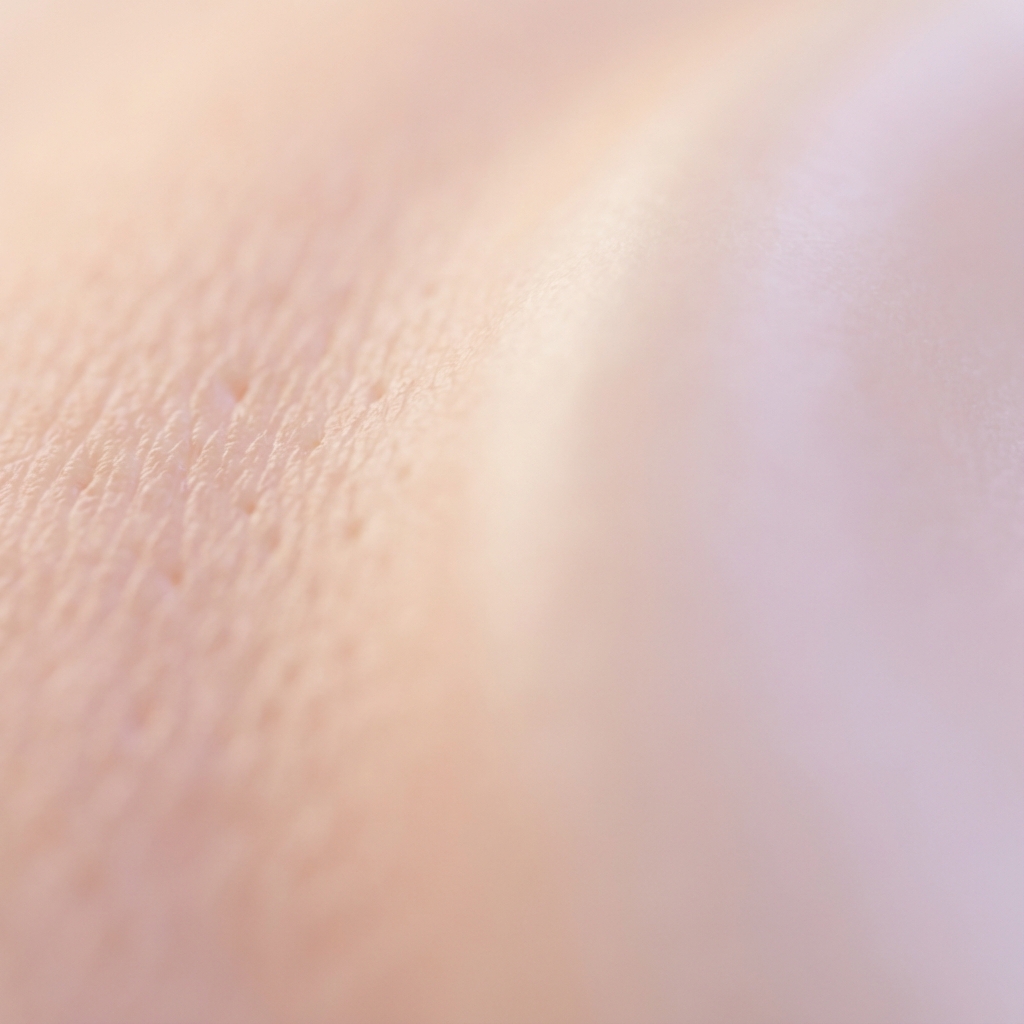
Large pores can't be "shrunk"—but they can be minimized. This guide helps you understand what you're seeing, what actually works, and how to build a simple routine for smoother-looking skin.
Find your path
Answer a quick question to find the right guide for your situation.
What best describes your concern?
Learn about dots and filaments
Dots can have several causes. This quiz cannot identify them from a description; the guide explains common differences and when to seek advice.
Read: Pores & Texture GuidePore size is mostly genetic
Gentle cleansing and sunscreen are useful basics. A dermatologist can advise whether acne treatment or another option may help; visible pores do not always need treatment.
Read: Pores & Texture GuideStart with one active
Choose one optional product at a time and follow its label. Ask a clinician before combining exfoliants with prescribed acne care or adding products to irritated skin.
Read: Pores & Texture GuideLet's figure it out
Stretching the skin or changing the lighting is not a diagnostic test. A dermatologist can distinguish pores, scarring and other causes of texture.
Read: Pores vs ScarsAll guides & resources
Everything in this hub, from fundamentals to specific treatments.
Core Guides
Treatments
Myths & Safety
Starter routine
A simple routine for minimizing pores and improving texture.
Morning (AM)
- 1 Gentle cleanser — gel or cream, no harsh sulfates
- 2 Niacinamide 5% — optional, for oil control
- 3 Moisturizer — lightweight, non-comedogenic
- 4 SPF 30+ — prevents sun damage that worsens texture
Evening (PM)
- 1 Cleanse — oil cleanser optional for SPF removal
- 2 Optional treatment — follow the product label or clinician directions
- 3 Moisturizer — hydration makes pores less visible
Ingredients for pore care
What helps, what to be careful with, and what to avoid.
BHA (Salicylic Acid) ✓
Salicylic acid can help some clogged pores, but may cause dryness or irritation. Product strength and frequency should follow the label and your clinician advice.
Niacinamide ✓
An optional ingredient in some skincare products. Suitability depends on the formula and your skin; it is not a required daily step.
Sunscreen ✓
Sun damage worsens texture over time. Non-negotiable for long-term improvement.
Retinoids ⚠
Retinoids may help acne but can irritate. Follow the label or prescriber directions, use sun protection, and avoid retinoids during pregnancy. Ask your clinician about breastfeeding.
AHAs (Glycolic, Lactic) ⚠
Surface exfoliation. Good for texture but can irritate if overused with BHA.
Pore Strips ✗
Any visible clearing is temporary. Strips may irritate skin; avoid using them on sensitive or irritated areas.
What not to do
These mistakes can worsen pores and texture.
Using pore strips regularly. They may irritate skin, and any visible clearing is temporary. They do not change the normal structure of pores.
Squeezing sebaceous filaments. Refill time does not identify a spot. Squeezing can injure or irritate the skin; normal filaments do not need extraction.
Using BHA daily from the start. Overuse can irritate skin. Follow the exact product directions and ask for advice if dryness or stinging develops.
Stacking multiple acids. Combining irritating products can be difficult to tolerate. Ask about combinations with prescribed treatment and introduce optional products one at a time.
Skipping moisturizer because you're oily. Dehydrated skin makes pores more visible. Hydrate, then control oil.
Expecting instant results. The cause of the texture matters. Ask when to expect improvement, and seek advice sooner for worsening symptoms.
When to see a dermatologist
Some situations need professional evaluation.
- Your concern persists, worsens, or you are unsure which care is appropriate
- You're not sure if you have enlarged pores or acne scarring
- Your skin reacts heavily to most products (possible sensitivity)
- You have persistent clogged pores that don't respond to OTC treatments
- You're interested in in-office treatments (lasers, peels)
- You have hormonal acne alongside texture concerns
Common questions
Quick answers to frequently asked questions about pores and texture.
Can you actually shrink pores?
What's the difference between sebaceous filaments and blackheads?
How long does it take to see texture improvement?
Does niacinamide help with pores?
Should I use BHA every day?
Why do my pores look bigger in certain lighting?
Can pores get clogged again after clearing them?
Can hot water open pores and cold water close them?
100% Independent. Always.
We never monetize through brand deals, affiliate links, or ads — so you can trust our recommendations.
Get your personalized routine
Use Skin Coach to track visible changes and your routine. A photo analysis cannot diagnose scarring or replace a dermatologist.