An outdoor shift, a long walk or a day with children can make sunscreen hard to manage. Sweat, dirt, awkward access to a mirror and an irritating formula are practical problems. The answer is a plan that includes clothing, a hat, sunglasses and shade, while keeping proper sunscreen protection on exposed skin.
These measures complement one another. A shirt covers an area that would otherwise need sunscreen, but its rating does not describe the protection of your face. An umbrella creates shade, but it does not seal you off from reflected UV. The useful question is where each measure leaves a gap.
At a Glance
- Check both rating and coverage: UPF describes fabric protection under test conditions; sleeves, openings and fit determine the skin it covers.
- Use a combination: a broad-brimmed hat, UV-protective sunglasses and shade help alongside clothing and sunscreen.
- Keep exposed-skin directions: covering your arms does not reduce the amount or reapplication frequency needed on your face.
- Plan for the activity: clothing must suit heat, movement, water and any workplace safety requirements.
- If sunscreen causes symptoms: discuss suitable options with a clinician instead of relying on a hat alone.
UPF and SPF Measure Different Things
UPF means ultraviolet protection factor. It describes how much UV passes through a material. A UPF 50 result corresponds to about one-fiftieth, or 2%, passing through under the relevant test conditions. It is not a promise that an entire outfit prevents 98% of a person’s exposure.
ARPANSA’s Australian sun-protective clothing guidance explains that a garment protects only the skin it covers. Protection may fall when material is wet, stretched, worn or affected by chemicals. Standards and label wording vary by market, so check the garment’s stated standard and care instructions.
SPF is a sunscreen test measure related to protection against sunburn, mainly caused by UVB. Look for broad-spectrum protection as well as the SPF number. Neither number is a timer telling you how long you can stay outside without harm. See our SPF 30 versus SPF 50 guide for the difference between a test result and everyday application.
A useful way to shop is to ask two separate questions: what has this product been tested to do, and will I use it in those conditions? A high rating is less useful if a sleeve rides up or you cannot comfortably apply enough sunscreen.
Choosing Clothing You Can Actually Wear
Start with coverage
Look at a garment while reaching, bending and sitting. Does the neckline open? Do the sleeves leave wrists exposed? Does the hem rise above your waistband? Think about the positions your work or activity requires, not just how the garment looks on a hanger.
A long-sleeved top and longer bottoms can reduce the area needing sunscreen. You do not have to buy a complete specialist wardrobe at once. Compare one frequently worn item first, then identify any remaining gaps.
Read the rating and care label
A clearly stated UPF rating gives more information than a vague sun-friendly description. Check whether it applies to the garment you are buying and whether the maker provides instructions about use in water, stretching, washing or replacement. Do not assume a rating lasts for a fixed number of years.
Ordinary clothing can also provide protection, but you cannot assign a dependable UPF number by looking at a shirt. Weave, fibre, colour, thickness, fit and condition all matter. ARPANSA’s clothing explanation describes these differences. A visible-light test at home does not measure ultraviolet transmission.
Make room for heat and movement
Try the clothing with the equipment you normally use. A collar that rubs, sleeves that restrict movement or fabric that feels intolerably hot can make the plan difficult to follow. Breathable designs may feel more comfortable, but a UPF label does not certify protection against heat illness.
For outdoor work, follow the site’s requirements for protective equipment and heat safety. Ask about shaded breaks, access to water and scheduling. NIOSH’s workplace guidance includes employer measures such as providing sheltered break areas and shifting tasks to periods of lower exposure.
Compare practical details before brands. Write down the area to cover, the conditions you will use it in and the price you can afford. Then compare the rating, size range, care instructions and comfort. A recommendation from another person cannot tell you how a garment fits your workday.
Hats and Sunglasses: Check the Gaps
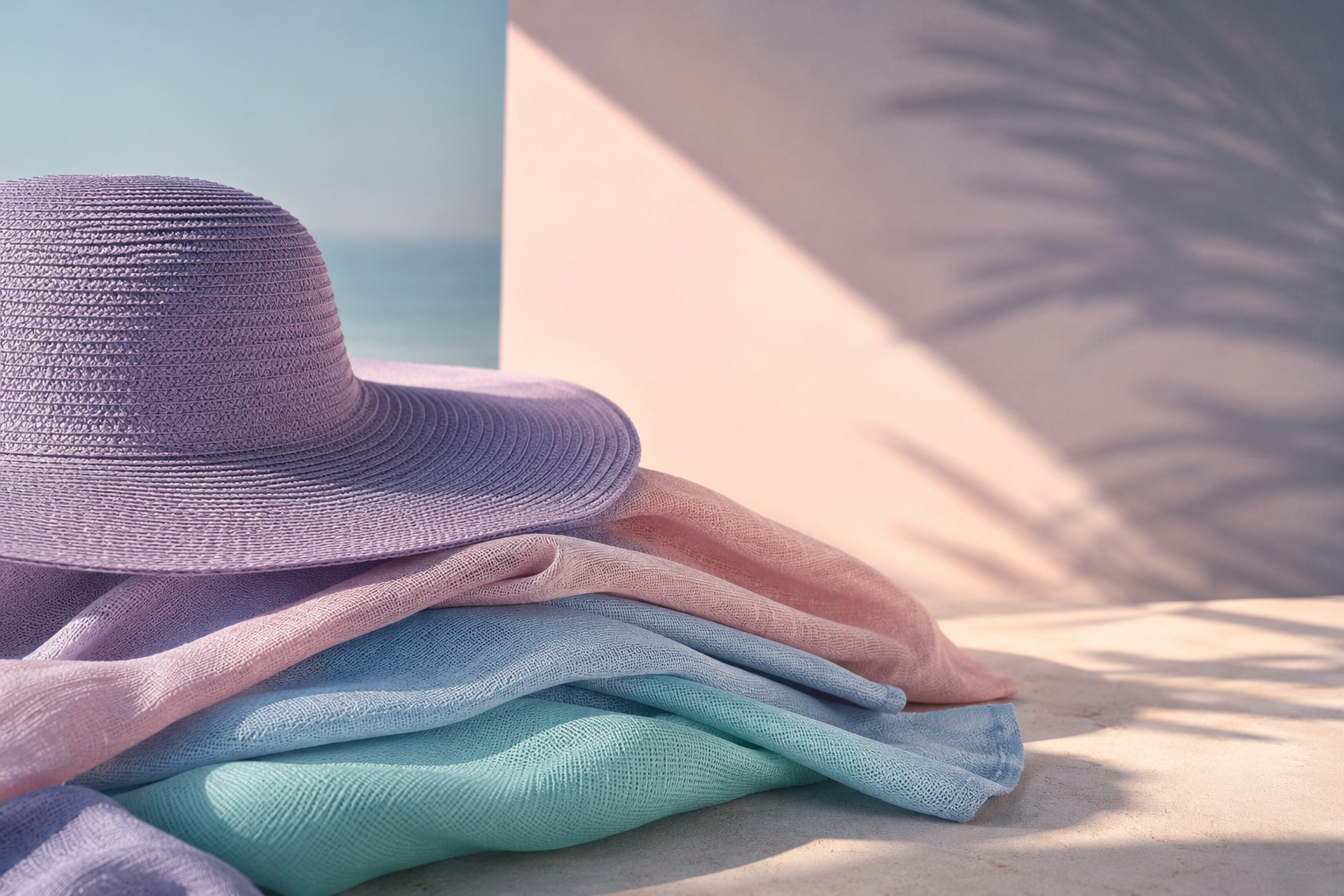
A hat with a brim all the way around helps shade the face, ears and neck. A baseball cap leaves more of the ears and neck uncovered. A broad brim still does not replace sunscreen on exposed skin: sunlight can arrive from the sides and reflect from nearby surfaces.
For sunglasses, look for a label stating protection against both UVA and UVB. A shape that covers more of the eye area can reduce light entering around the sides. Dark lenses alone do not tell you the UV protection. The CDC’s sun-safety guidance explains how clothing, hats, sunglasses and shade work together.
Check whether the hat stays secure when you bend or turn, and whether the glasses fit with a helmet or other equipment. If sunscreen stings around your eyes, do not put it closer to the eye than the label allows. Our eye-stinging guide covers what to do after exposure and when symptoms need urgent care.
Shade and Timing
Plan around the local UV Index and public-health advice rather than assuming one clock window applies everywhere. Season, location and time of day change exposure. A cool or cloudy day is not proof that protection is unnecessary.
Shade is useful, but its size and position change as the sun moves. A picnic table shaded at arrival may be exposed later. Water, sand and other surfaces can reflect UV into shaded areas, so use shade with the other measures.
For a long outing, identify the shaded or indoor places before you need them. If you can choose when to do a task, compare the local forecast and move flexible activities to a period of lower exposure. If your job controls the schedule, raise the issue with the person responsible for workplace safety.
How the Options Compare
| Option | Useful role | Limit to remember | Practical check |
|---|---|---|---|
| UPF-rated clothing | Covers substantial areas of skin | Rating applies to the material and stated conditions, not uncovered areas | Fit, openings, care label and suitability for water or heat |
| Ordinary clothing | Adds coverage using items you own | Protection varies and cannot be read from colour alone | Coverage and condition; consider rated items when the level matters |
| Broad-brimmed hat | Adds shade around the head | Reflected and sideways UV can still reach exposed skin | Stable fit and coverage of ears and neck |
| UV-protective sunglasses | Protect the eyes from UV | Gaps around the frame remain | UVA/UVB label, coverage and compatibility with equipment |
| Shade | Reduces direct exposure | Position changes and reflected UV remains | Recheck where the shade falls throughout the activity |
| Broad-spectrum sunscreen | Protects exposed skin when used as directed | Incomplete application, water and rubbing can affect coverage | Appropriate SPF, amount, water-resistance directions and reapplication |
The table describes different jobs, not a ranking of which item makes the others unnecessary. Spending more on one item does not compensate for an uncovered area elsewhere.
Build a Plan for a Long Outdoor Day
Before leaving
Check the weather and UV forecast, choose clothing suitable for the activity, and identify the exposed areas. Put sunscreen where it belongs before exposure and follow its directions. Bring the product so you can reapply, plus a hat and sunglasses that you can keep using comfortably.
The FDA’s sunscreen guidance advises applying before exposure and reapplying at least every two hours outdoors, with additional directions after swimming or sweating. Follow the specific water-resistance and towel-drying instructions. A small dab shared between the face, ears and hands is not a reliable full application.
During the activity
Recheck clothing gaps after changing position or equipment. Use shaded breaks. Keep track of sunscreen reapplication on exposed skin; a hat does not cancel this step. If clothing becomes soaked or damaged, assess whether it still meets the conditions described by the manufacturer.
For dirty or sweaty work, plan a suitable place to clean your hands and manage application according to the product directions. The problem should be addressed in the work routine rather than solved by deliberately using less sunscreen. An employer may be able to improve break access or task scheduling.
Afterward
Remove sunscreen and dirt gently. Note any redness, soreness or rash and adjust the practical plan for next time. These observations do not measure the UV dose you received. Comfortable skin after an outing does not prove that no damage occurred.
If your sunscreen repeatedly causes symptoms, ask a clinician about the whole formula and alternatives suitable for you. Mineral, chemical and hybrid labels do not guarantee tolerance. See sunscreen for sensitive skin and our application guide.
Common Questions
Can I skip sunscreen under UPF clothing?
A protective garment can cover areas that would otherwise need sunscreen, provided it is used as intended and stays in place. Continue protecting uncovered areas. A UPF rating on a shirt says nothing about your face, hands or the gaps around its edges. Follow individual medical advice if you have a condition requiring extra protection.
Does covering more skin mean less sunscreen?
It can mean fewer areas to apply it to. It does not mean a thinner application or a longer interval between applications on the skin still exposed. Measure the job by the areas that remain uncovered, not by dividing your old sunscreen amount across the whole body.
Will an ordinary T-shirt work?
It offers coverage, but protection varies. You cannot give every white T-shirt one UPF value or assume every dark shirt meets a particular rating. If you need a known level, compare rated garments and their use conditions. Keep any shirt’s openings and condition in mind.
Is shade enough when sunscreen irritates?
Shade alone is incomplete protection. Use clothing and other measures while arranging advice about a formula you can tolerate. Do not repeatedly test a product that caused a severe reaction. Seek medical advice for persistent or concerning symptoms.
How does this apply to children and babies?
Choose clothing, hats and shade that fit the child’s activity, and follow age-specific sunscreen directions for exposed skin. A swim shirt does not remove the need to manage uncovered areas. For babies younger than six months, the FDA recommends keeping them out of direct sun and asking a pediatrician before using sunscreen. Plan for heat and hydration as well.
Make the Plan Easy to Repeat
Keep the useful items together and record which sunscreen you used, what activity you did and any symptoms that followed. Track your products in skncoach or get the app to keep those notes in one place. Notes can support a conversation with a clinician; an app or photo cannot rule out sun damage or skin cancer.
Related reads:
- Sunscreen & Sun Damage Hub
- Best Sunscreen for Rosacea & Sensitive Skin
- How Much Sunscreen to Apply on Your Face
This guide provides general information. Follow your product instructions and any advice from the clinician managing your skin condition.