Understanding Rosacea & Redness
Redness is not one problem. For some people it's flushing. For others it's bumps that look like acne. For others it's a damaged barrier that feels like rosacea. This guide helps you self-sort fast, then follow the right plan.
Find your path
Choose a concern to find a relevant guide. This quiz cannot diagnose rosacea or choose a medicine.
What's your main concern right now?
How reactive is your skin currently?
Have you used actives for rosacea before?
Start with the baseline routine
Gentle cleansing, a comfortable moisturizer and sun protection can support prescribed care. Use the guide to discuss a routine you tolerate; no formula is guaranteed to be non-irritating.
Get the Rosacea Routine Guide →Questions about azelaic acid
Some azelaic acid medicines treat inflammatory rosacea bumps. A quiz cannot decide whether one is right for you, especially if redness is your only symptom. Check the exact product and treatment plan with a clinician.
Read the Azelaic Acid Guide →Discuss a flare or irritation
Avoid adding optional irritating products during a flare. Follow medicine warning instructions and ask your prescriber about treatment changes. Persistent or worsening symptoms need assessment; a fixed two-week reset cannot establish the cause.
Read About Gentle Care →Review treatment that is not helping
Tell your prescriber which symptoms remain and how you have used the treatment. Different features need different approaches; adding a stronger product or choosing a procedure yourself may not address the cause.
Prepare for a Treatment Review →Let's find your triggers
Heat, food, stress, skincare—everyone's triggers are different. This guide helps you identify yours and build strategies to avoid or manage them.
Find Your Triggers →All guides & resources
Browse by topic, or use the quiz above to find your starting point.
Getting Started
Active Treatments
Track Your Progress
Choosing products for reactive skin
Judge the complete formula and your response. A familiar ingredient name cannot guarantee comfort.
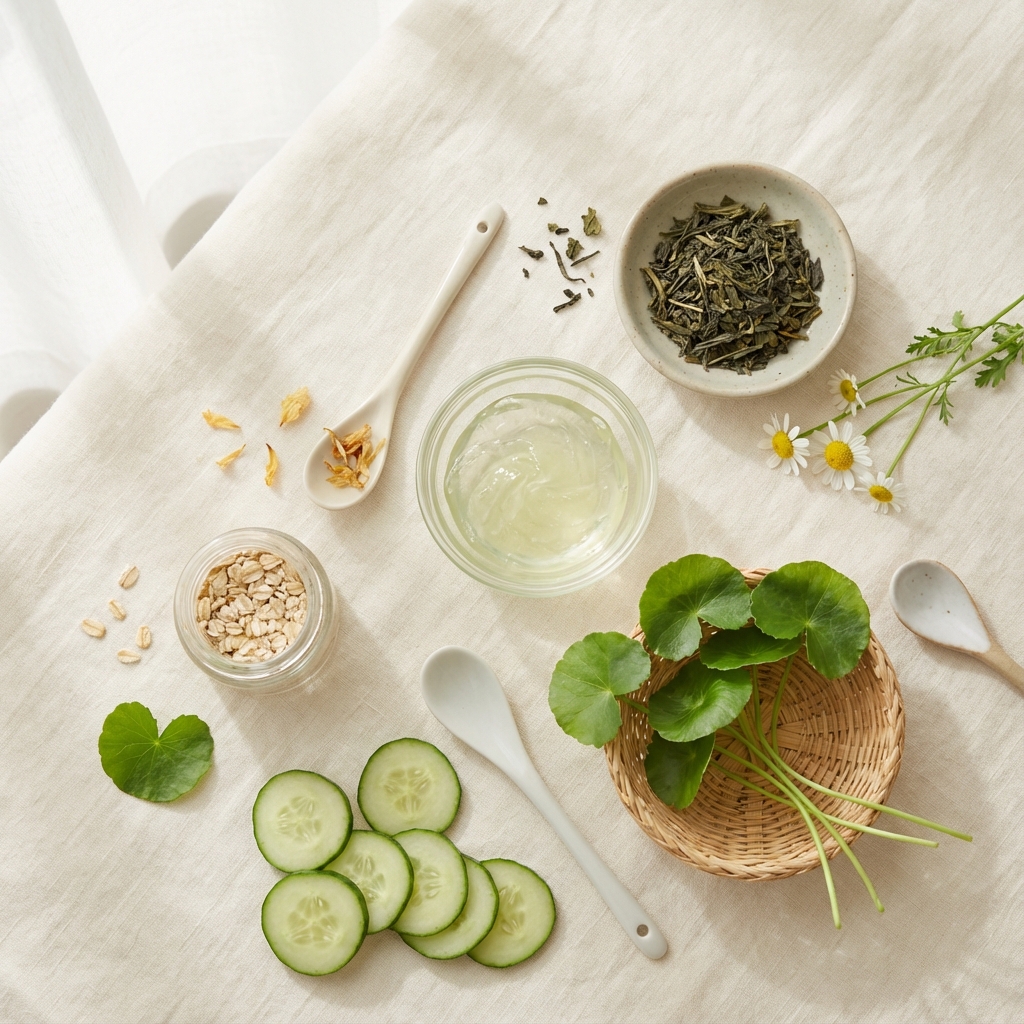
Keep product choices simple
Some skincare contains the ingredients below. They are examples, not a shopping list or a guarantee against irritation. Botanical ingredients can also cause allergy; ask about persistent reactions.
- Centella asiatica (cica)
- Aloe vera
- Chamomile
- Green tea
- Oat extract
- Cucumber
- Niacinamide (low %)
- Ceramides
Starter routine
Use comfortable basic care alongside any prescribed treatment. Ask for advice about persistent reactions.
- Rinse or gentle cleanse Lukewarm water only
- Moisturizer Fragrance-free, simple formula
- Sunscreen SPF 30+ Mineral formulas often tolerated better
- Gentle cleanse No scrubs, no acids
- Moisturizer Same as AM
- Treatment, if prescribed or recommended Follow the exact product and prescriber directions
What not to do
Common mistakes that make rosacea worse.
Don't "power through" burning—stinging is a stop sign.
Don't stack actives (AHA/BHA + retinoid + vitamin C) while inflamed.
Don't use hot water, steam, or aggressive face massages during flares.
Don't chase instant redness fixes that rebound (if something works in hours but worsens later, be cautious).
When to see a derm
Some things need professional evaluation.
- Seek urgent assessment for eye pain, blurred vision, light sensitivity, a red eye or gritty eyes with rosacea
- New, persistent or worsening redness: arrange assessment rather than waiting a fixed number of weeks
- Painful burning, swelling, or rapidly spreading bumps
- You suspect perioral dermatitis, seb derm, or allergic contact dermatitis (overlap is common)
Common questions
Honest answers, in plain language.
How do I know if I have rosacea or just sensitive skin?
Can rosacea be cured?
What ingredients should I avoid with rosacea?
Is azelaic acid good for rosacea?
Sources and treatment boundaries
These references support general education. Medicine uses and access differ by product and country.
100% Independent. Always.
We never monetize through brand deals, affiliate links, or ads — so you can trust our recommendations.
Get clarity fast
Use the app to organize routine notes and record visible changes. A photo scan cannot diagnose rosacea, choose treatment or guarantee that a routine will not trigger a flare.