Retinoids: Tretinoin, Adapalene & Retinol
Retinoids are the most effective topicals for acne, anti-aging, and skin renewal—but starting wrong leads to irritation spirals. This guide helps you choose the right retinoid, start slow, manage side effects, and actually stick with it.
What's your retinoid situation?
Answer a quick question to find the right guide for where you are.
Where are you in your retinoid journey?
Start with the Basics
New to retinoids? Start with adapalene (Differin)—it's effective, OTC, and less irritating than tretinoin. Begin 2 nights/week, use the sandwich method, and build up slowly over 2-3 months. Most irritation happens from going too fast.
Read: How to Start AdapaleneBarrier Repair Mode
Irritation usually means you went too strong or too fast. If you're experiencing burning, stinging, or raw skin, your barrier needs a break. Pause the retinoid, repair for 7-14 days, then restart slowly with buffering.
Read: Barrier Repair ProtocolPurging vs. Breakout
Purging happens in your normal breakout zones and clears within 6-8 weeks. If breakouts are in new areas, getting worse after 8 weeks, or causing painful cysts, it's a reaction—not purging. May need to adjust or discontinue.
Read: Purging vs BreakoutOne Active at a Time
Wait until your skin fully tolerates your retinoid (no irritation for 4+ weeks) before adding acids or vitamin C. Use them on alternate nights, never the same night. AHAs and BHAs are safest in the AM when retinoid is used at night.
Read: Retinol + Acids GuideAll Guides & Resources
Everything you need to master retinoids.
Getting Started
Managing Side Effects
Cheat Sheets & Downloads
Free infographics to save, print, or share

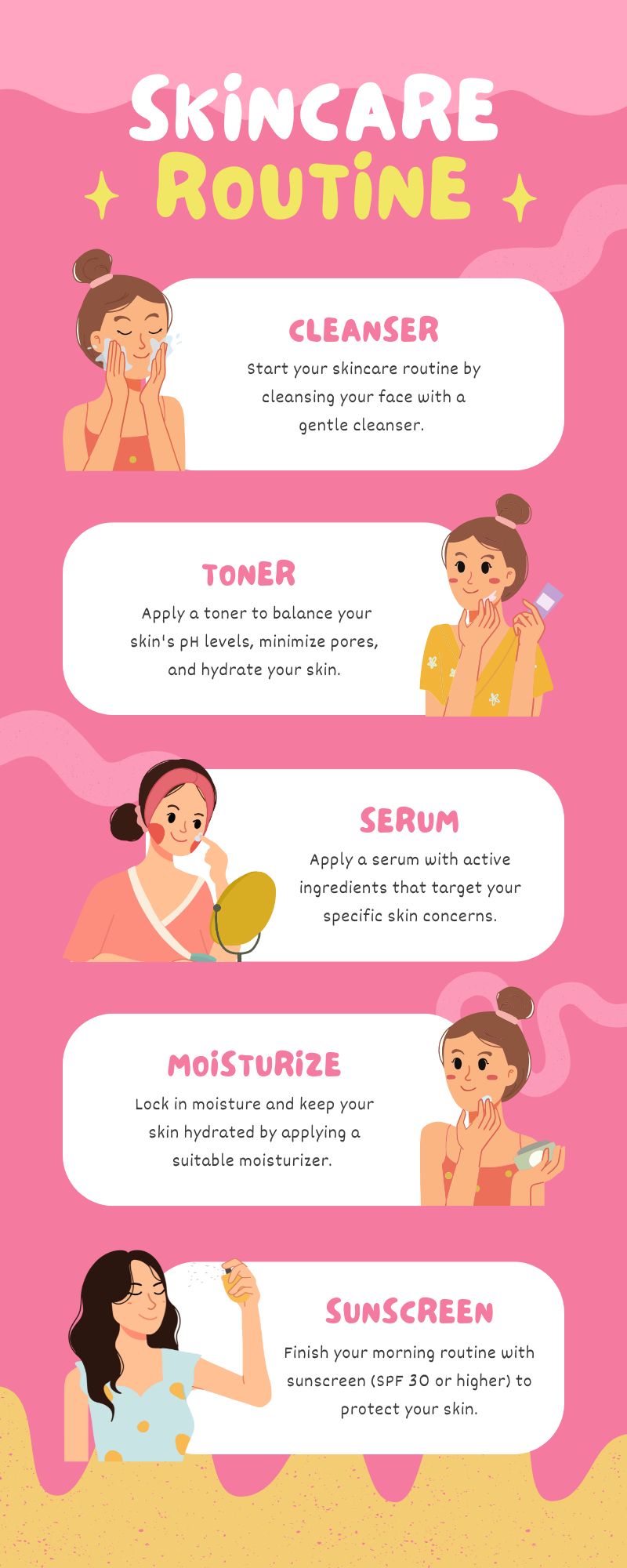
Starter routine
How to structure your routine around retinoid use.
Retinoid Nights
- 1 Cleanse — gentle, non-stripping cleanser
- 2 Wait 10-15 min — let skin fully dry
- 3 Moisturizer — optional buffer layer first
- 4 Retinoid — pea-sized amount, avoid eyes
- 5 Seal — occlusive or moisturizer on top
Off-Nights & AM
- 1 Gentle cleanse — no actives, no exfoliation
- 2 Hydrating serum — hyaluronic acid, niacinamide OK
- 3 Moisturizer — focus on barrier repair
- 4 Sunscreen (AM) — SPF 30+ daily, non-negotiable
Retinoid Cheat Sheet
Comparing different retinoid types and strengths.
Tretinoin (Retin-A)
Prescription only. Strongest, most irritating. Gold standard for anti-aging + acne. Start 0.025%, build to 0.05%.
Tazarotene
Prescription only. Very strong, more irritating than tretinoin. Often used for psoriasis and stubborn acne.
Adapalene (Differin)
OTC or Rx. Gentler, anti-inflammatory. Best for acne beginners. Less irritation than tretinoin, still effective.
Retinaldehyde
OTC. One step from retinoic acid. More effective than retinol, less irritating than tret. Hard to find.
Retinol
OTC. Converts to retinoic acid in skin. Gentlest but weakest. Good for anti-aging beginners or sensitive skin.
Retinyl Palmitate
OTC. Very weak, mostly in anti-aging creams. Limited evidence. Not recommended if you want real results.
What not to do
These mistakes cause the irritation spirals that make people quit.
Starting too strong or too often. Daily use from day one wrecks your barrier. Start 2x/week and build up over 2-3 months.
Applying to damp skin. Water increases penetration and irritation. Wait 10-15 minutes after cleansing for skin to fully dry.
Skipping sunscreen. Retinoids increase photosensitivity. Daily SPF 30+ is mandatory—even on cloudy days or indoors.
Mixing with harsh actives. No AHAs, BHAs, or vitamin C on the same night as your retinoid. Use them on alternate nights only.
Applying near eyes and mouth. Thin skin in these areas is easily damaged. Keep a 1cm buffer zone around eyes, lips, and nostrils.
Pushing through severe irritation. Mild flaking is normal; burning, raw skin, or persistent redness means back off immediately.
When to see a dermatologist
Some situations need professional guidance.
- You want prescription-strength tretinoin or tazarotene
- You're experiencing severe or persistent irritation despite proper use
- Breakouts are getting worse after 8+ weeks (may not be purging)
- You have rosacea, eczema, or other skin conditions and want to try retinoids safely
- You're pregnant, breastfeeding, or planning pregnancy (retinoids are contraindicated)
- You want to combine retinoids with other prescription treatments
Common questions
Quick answers to the most-asked retinoid questions.
What's the difference between tretinoin, adapalene, and retinol?
How do I know if I'm purging or breaking out from retinoids?
What is the retinoid sandwich method?
How often should I use retinoids when starting out?
Ready to Start Your Retinoid Journey?
Use our free routine builder to create a safe, effective routine that incorporates retinoids at the right pace for your skin.
Build My Routine100% Independent. Always.
We never monetize through brand deals, affiliate links, or ads — so you can trust our recommendations.
Get your personalized routine
A skin scan helps you understand your skin and get a routine that incorporates retinoids safely.